
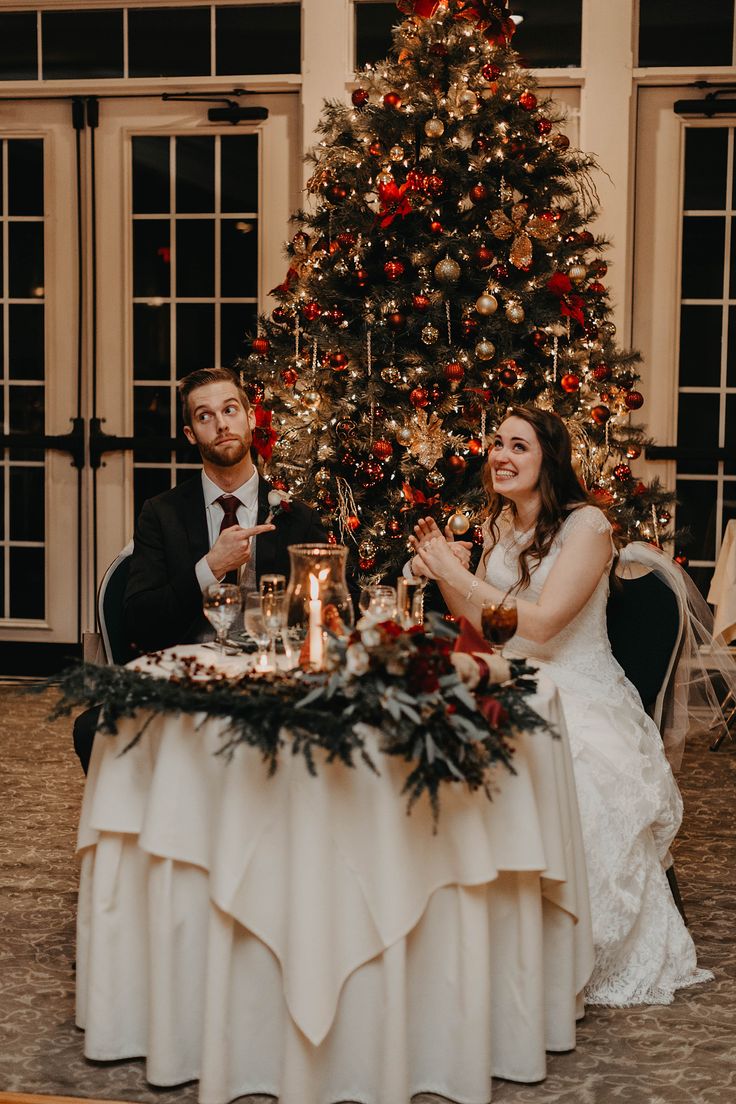
Weddings have long been steeped in tradition—from the white dress to the first dance. One of the most deeply rooted customs is the idea that parents, especially the bride’s, pay for the wedding. But in today’s world of evolving family dynamics, shifting financial expectations, and diverse cultural values, many people are asking: Do parents still pay for the wedding?
The answer? Yes—sometimes. But it’s no longer a one-size-fits-all rule.
The Traditional Expectation
Traditionally, especially in Western cultures, the bride’s family was expected to foot most (if not all) of the wedding bill. This originated from a time when marriage was a transfer of responsibility from the bride’s father to the groom, often involving a dowry. While the custom persisted for generations, it no longer reflects the realities of modern relationships.
What Happens Today
Today, who pays for the wedding depends on several factors: family culture, financial ability, personal values, and even geography. Here are the most common modern approaches:
1. Parents Pay Fully (Still Happens)
Some families still choose to cover the entire wedding cost, especially if they’ve been saving for it. In many cultures and communities, this is seen as a proud parental responsibility.
2. Couples and Parents Split the Cost
Many modern weddings are paid for through a combination of contributions from the couple and their parents. One or both sets of parents may offer a fixed amount or choose to fund specific parts of the wedding—like the rehearsal dinner, dress, or honeymoon.
3. Couples Pay for It Themselves
With more couples getting married later in life and becoming financially independent, it’s increasingly common for them to fund their weddings on their own. This often gives them more control over the size, style, and guest list.
4. Collaborative Family Efforts
In blended families or situations where both sides want to contribute equally, weddings can become a joint effort. Communication and fairness are key to navigating this gracefully.
Factors That Influence Who Pays
- Financial Ability: Not every family is in a position to help. And that’s okay. Couples are more understanding today and are adjusting their expectations accordingly.
- Family Structure: Divorce, remarriage, and stepfamilies often lead to multiple contributors—or more complicated conversations.
- Cultural Expectations: In some cultures, the groom’s family traditionally pays, while in others, it’s the bride’s. But many are modernizing.
- Couples’ Preferences: Some couples may prefer to pay for their own wedding to avoid expectations or maintain creative freedom.
Tips for Navigating Wedding Finances as a Family
- Have the Money Talk Early: Clear, upfront communication avoids misunderstandings later.
- Be Honest About What You Can Afford: Don’t go into debt to meet expectations.
- Respect Each Other’s Wishes: Whether you’re contributing or not, keep the focus on love, not money.
- Set Boundaries: If you’re paying, be clear about whether it comes with any conditions (e.g., number of guests, type of venue).
So—do parents still pay for the wedding? Sometimes, yes. But more often, it’s a shared effort between couples and families, based on communication, mutual respect, and financial reality.
The most important thing isn’t who writes the check—but how families come together to celebrate love, commitment, and a joyful new chapter. Whether you’re offering financial support or simply your heartfelt blessings, your presence and encouragement mean the most.
ALSO RELATED READ:
 Do Parents Still Pay for the Child’s Wedding?
 How Much Say Do You Really Have Over Your Child’s Wedding?
 Do Parents Need to Give Their Child a Wedding Gift?
 Some Rules That Will Win You the Title of Most…
 How to Manage Your Own Expectations About Your…
 How to Tell Your Child How Much Money You’ll…
 Wedding Gifts – Tips on the giving of Wedding Gifts
 10 Effective Ways to Strengthen a Parent-Child Relationship
 Can You Tell Your Child That You Don’t Like Their Fiancé?
 The Charm of Family Matching Outfits: Why…
 Timeless Elegance: Essential Wedding Tips for Older Brides
 Baby Christening Gifts A Wide Variety To Choose From

