Category Archives: Kids & Teens

12 Ways to Make Sure Kids Have the BEST Time at Your Wedding

A wedding is a wonderful celebration of love, family, and togetherness. While adults may look forward to the ceremony, delicious food, and dancing, children often have a slightly different idea of what makes a wedding fun! Long ceremonies, formal meals, and hours of sitting still can be challenging for younger guests.

If you’re inviting children to your wedding, a little extra planning can make a big difference. From fun activities and child-friendly food to comfortable outfits and special surprises, there are plenty of ways to keep little guests happy and entertained throughout the day.

Here are some practical and creative ways to make sure kids have the BEST time at your wedding!
1. Create a Special Kids’ Activity Area

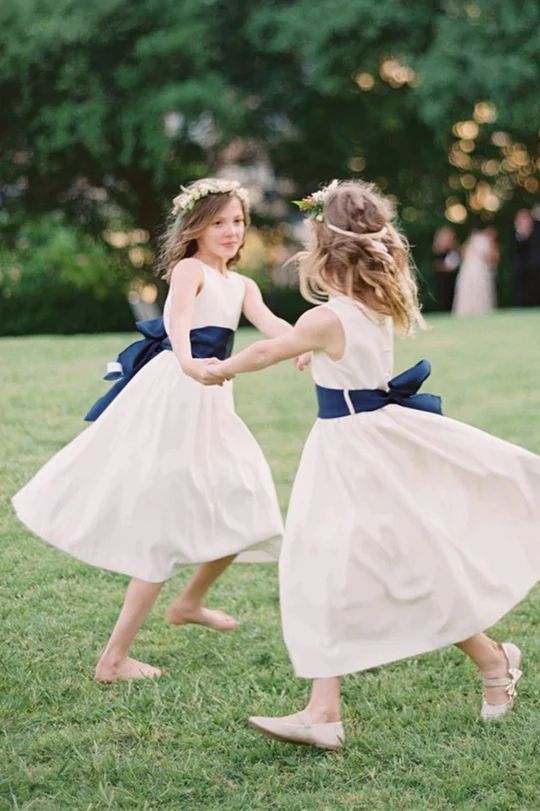
One of the easiest ways to keep children entertained is to give them their own dedicated activity space. Set up a small table with colouring books, crayons, stickers, puzzles, building blocks, and simple craft activities.

You could also include wedding-themed activity sheets, such as drawing a wedding cake, designing a wedding dress, or completing a fun wedding word search.

Make sure the activity area is easy for parents to see and is located somewhere safe and comfortable. Older children might enjoy board games or simple group challenges, while younger ones may prefer colouring and creative play.

2. Prepare a Child-Friendly Menu

Wedding menus often feature sophisticated dishes that may not appeal to younger guests. Offering a separate children’s menu is a thoughtful way to make sure everyone enjoys the meal.

Consider including familiar favourites such as:

  • Mini sandwiches or chicken bites
  • Pasta with a mild sauce
  • Mini pizzas
  • Fresh fruit and vegetable sticks
  • Small desserts, cupcakes, or cookies

Remember to check for food allergies and dietary requirements when collecting RSVPs. Providing child-friendly food means parents can relax and children can enjoy their meal without any fuss.

3. Give Kids a Fun Wedding Welcome Bag

A little welcome gift can make children feel special from the moment they arrive. Prepare small wedding activity bags for younger guests and place them on their seats or at the children’s table.

Some lovely ideas include:

  • Colouring books and washable crayons
  • Mini puzzles and card games
  • Stickers and temporary tattoos
  • Bubbles for outdoor celebrations
  • Small notebooks and pencils
  • Wedding-themed activity booklets

You can even personalise the bags with each child’s name. It’s a simple gesture that makes them feel like important guests rather than just accompanying their parents.

4. Choose Comfortable and Beautiful Wedding Outfits

Weddings are special occasions, and dressing up can be part of the excitement for children. However, comfort should always come first, especially when little ones will be spending several hours at the celebration.

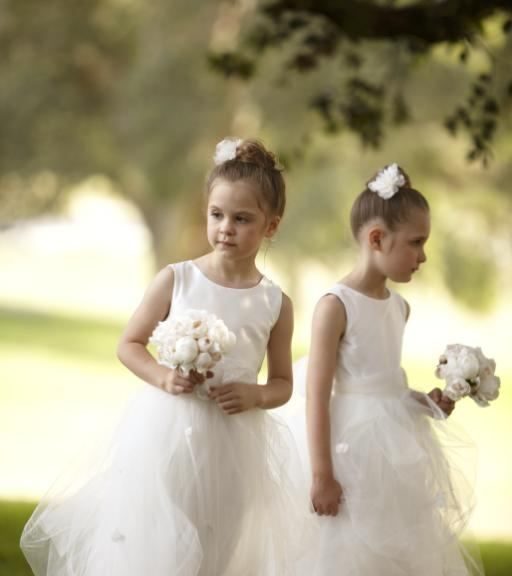
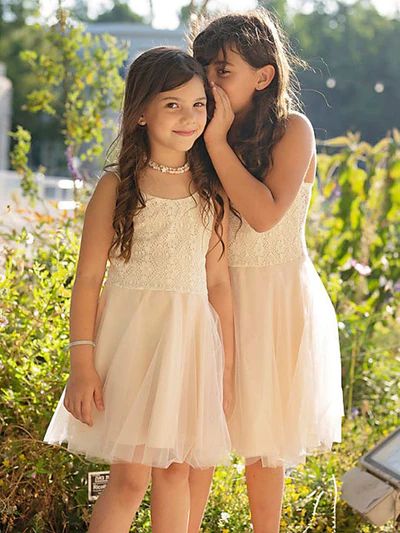
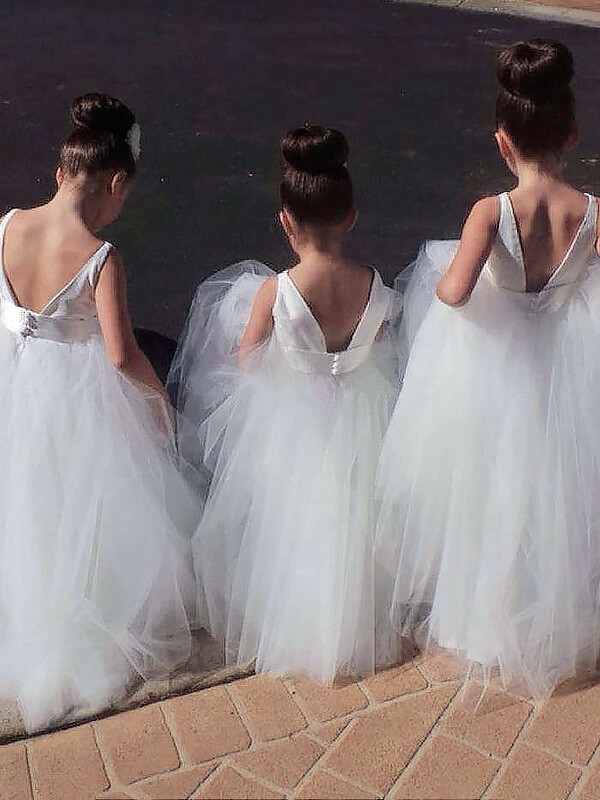
For girls, pretty kids’ party dresses, flower girl dresses, or elegant children’s formal gowns can create a lovely occasion-ready look. Soft fabrics, comfortable linings, and designs that allow easy movement are ideal.

For boys, smart trousers, shirts, waistcoats, or lightweight suits can look charming without feeling too restrictive.

If children are taking part in the wedding ceremony, consider coordinating their outfits with the wedding colour scheme. Matching flower girl dresses and bridesmaid dresses, for example, can create a beautiful and harmonious wedding look.

Most importantly, choose outfits that allow children to walk, sit, play, and dance comfortably.

5. Set Up a Kids’ Entertainment Corner

If your wedding venue has enough space, consider creating a dedicated entertainment corner. This can be especially helpful when there are several children of different ages attending.

Depending on your budget and venue, you could arrange:

  • A professional children’s entertainer
  • A magician or balloon artist
  • Face painting
  • A bubble station
  • A supervised craft corner
  • Simple party games

For outdoor weddings, lawn games such as giant Jenga, ring toss, and beanbag games can be great fun.

Remember to consider age suitability and make sure activities are supervised where necessary.

6. Organise a Special Kids’ Dance Session

Children love music and dancing, so why not make them part of the wedding entertainment?

Ask your DJ to include a short selection of popular children’s songs alongside the usual wedding playlist. You could even organise a mini dance competition, musical statues, or a simple group dance.

A dedicated kids’ dance session gives younger guests an opportunity to join in and have fun without feeling overwhelmed by the adult party atmosphere.

Don’t forget to provide a little space where children can dance safely without getting caught up in crowded areas.

7. Arrange a Comfortable Quiet Space

Weddings can be exciting but also tiring, particularly for toddlers and younger children. Between travelling, socialising, eating, and playing, they may need a little time away from the celebrations.

If possible, arrange a quiet room or comfortable corner with soft seating, books, and a few quiet toys. Parents can use this space for feeding, changing, resting, or helping younger children settle down.

A quiet area can be particularly useful for babies and children who become overwhelmed by loud music or busy surroundings.

8. Make Children Part of the Wedding Celebration

Children often enjoy weddings even more when they feel included in the special occasion.

Depending on their age and confidence, you could give them small roles such as:

  • Handing out wedding programmes
  • Helping welcome guests
  • Carrying a sign before the ceremony
  • Throwing flower petals where permitted
  • Taking part in family photographs
  • Joining a special group photograph

Of course, participation should always be optional. Some children love being involved, while others prefer to enjoy the celebration from their seats.

The goal is to help them feel welcome and appreciated without putting too much pressure on them.

9. Plan a Fun Wedding Treasure Hunt

A wedding-themed treasure hunt can be a fantastic activity for school-age children. Prepare a simple checklist of things they can find around the venue, such as a flower arrangement, a wedding cake, a decorative candle, or a particular colour.

For younger children, picture-based checklists work particularly well.

You could offer small prizes such as stickers, certificates, or little gift bags when they complete the activity. Just make sure the game stays within approved areas and children have adult supervision.

10. Prepare a Few Special Wedding Surprises

Small surprises can turn an ordinary wedding day into a memorable experience for younger guests.

Consider providing a cupcake decorating station, a personalised cookie, a small wedding-themed gift, or a special dessert served just for the children.

For outdoor celebrations, bubbles, ribbons, and simple party favours can also add an extra touch of excitement.

You don’t need to spend a fortune. Even a small surprise can make children feel that the wedding celebration was planned with them in mind.

11. Consider Hiring a Professional Childcare Service

If your wedding includes several young children, hiring professional childcare providers may be worth considering.

Experienced childcare professionals can organise age-appropriate activities, supervise playtime, and help children enjoy the reception while parents spend time celebrating.

Before booking, check the provider’s experience, qualifications, insurance, supervision arrangements, and safeguarding procedures. Also, make sure parents know what childcare is being offered and remain aware of their responsibilities.

This can be especially helpful for weddings that continue late into the evening.

12. Keep the Wedding Schedule Flexible

Children don’t always follow a wedding timetable! They may need extra time to eat, take a break, or settle down after an exciting activity.

Try to avoid making every part of the day too long or overly structured. If possible, schedule the children’s activities around the ceremony, meal, speeches, and reception entertainment.

A little flexibility can help prevent tiredness and keep the atmosphere enjoyable for everyone. A wedding should be a joyful celebration for the whole family, and children deserve to feel just as welcome as the adult guests. With a little thoughtful preparation, you can create an experience that keeps younger guests entertained, comfortable, and included throughout the day.

From activity bags and delicious children’s menus to beautiful kids’ party dresses and fun dance sessions, the smallest details can make the biggest difference. Remember, the secret to keeping children happy at a wedding isn’t about organising endless entertainment or spending a lot of money. It’s about understanding their needs, giving them opportunities to have fun, and making them feel like an important part of your special day.After all, when the children are happy, the parents can relax, the guests can enjoy themselves, and everyone can take home wonderful wedding memories!
Guide to Ring Bearers: Roles, Outfits, and Wedding Tips

A ring bearer is one of the sweetest members of a wedding party. Traditionally, the ring bearer walks down the aisle carrying the wedding rings, adding a charming and memorable moment to the ceremony. Today, couples have plenty of flexibility when choosing a ring bearer, from a young child in the family to an older child or even a beloved family member.

Whether you are planning a traditional wedding or a modern celebration, this guide will help you understand the ring bearer’s role, choose the right outfit, and make the experience enjoyable for everyone.

What Is a Ring Bearer?

A ring bearer is typically a child who participates in the wedding ceremony by carrying the wedding rings down the aisle. Traditionally, the ring bearer walks shortly before the flower girl or bridal party.

However, the role doesn’t have to follow a strict formula. Some couples choose two ring bearers, while others invite an older child to take on the responsibility. The most important thing is that the role feels comfortable and meaningful for your wedding.

What Age Should a Ring Bearer Be?

There is no official age requirement for a ring bearer. Children between approximately 3 and 8 years old are commonly chosen because they are old enough to participate while still bringing a playful, youthful charm to the ceremony.

You can also choose a younger or older child. For very young children, having a parent or another member of the wedding party accompany them down the aisle can make the experience easier.

Remember that every child is different. Consider their personality, confidence, and ability to follow simple instructions rather than choosing based solely on age.

What Does a Ring Bearer Actually Do?

The ring bearer’s responsibilities can be as simple or elaborate as you like.

Before the Ceremony

The ring bearer may:

  • Attend the wedding rehearsal
  • Meet the other members of the wedding party
  • Practice walking down the aisle
  • Become familiar with their outfit and accessories
  • Learn when and where to stand during the ceremony

During the Ceremony

Traditionally, the ring bearer:

  1. Walks down the aisle at the appropriate time.
  2. Carries a ring pillow, decorative box, or another ring holder.
  3. Stands or sits in a designated area during the ceremony.
  4. Joins the wedding party for photographs.

For younger children, the actual wedding rings may be kept safely with an adult, while the child carries symbolic rings or another decorative item.

Choosing the Perfect Ring Bearer Outfit

The ring bearer’s outfit should complement the overall wedding style while allowing the child to feel comfortable.

For a traditional formal wedding, a classic suit or tuxedo-style outfit can create a polished look. For a relaxed outdoor wedding, a dress shirt with trousers, suspenders, or a vest may be more appropriate.

Consider coordinating the outfit with:

  • The groom’s or groomsmen’s attire
  • The wedding colors
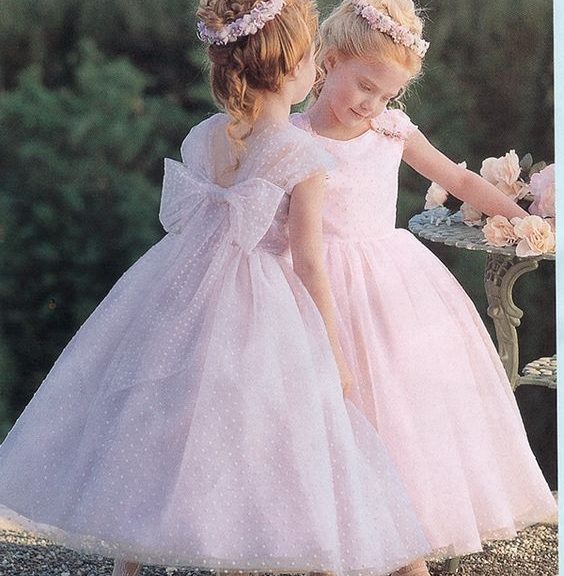
  • The flower girl’s dress
  • The overall wedding theme
  • The venue and season

Matching doesn’t necessarily mean wearing exactly the same outfit. Coordinating colors, fabrics, or accessories can create a cohesive wedding-party look without making the child feel like a miniature adult.

Ring Bearer Accessories

Small accessories can make the outfit extra special. Depending on the wedding style, consider:

  • A bow tie
  • Suspenders
  • A vest
  • Dress shoes
  • A pocket square
  • A small boutonniere
  • A decorative ring pillow
  • A personalized ring box

Keep accessories comfortable and age-appropriate. Children should be able to walk, sit, and move around easily.

Should the Ring Bearer Carry Real Wedding Rings?

Not necessarily. Many couples prefer to keep the actual wedding rings with a trusted adult for security.

The ring bearer can carry a decorative pillow or ring box containing symbolic rings instead. This allows the child to participate in the tradition without placing responsibility for valuable jewelry on a young child.

How to Prepare Your Ring Bearer

A little preparation can make a big difference.

Start by explaining the role in simple terms. Let the child know where they will walk, where they will stand, and who they will follow.

A rehearsal is especially helpful. Practice walking slowly down the aisle and getting into position. If possible, let the child see the ceremony space beforehand so it feels familiar on the wedding day.

Most importantly, keep expectations realistic. Young children may become shy, excited, distracted, or nervous. That’s completely normal.

What If the Ring Bearer Gets Nervous?

Don’t worry if the ring bearer doesn’t perform perfectly. Weddings can be overwhelming for children because of the crowds, music, unfamiliar surroundings, and attention.

A parent, older sibling, flower girl, or another trusted adult can walk alongside them if needed. You can also give the child another simple role, such as walking with the flower girl or simply joining the wedding photographs.

The goal is to create a happy memory—not a stressful performance.

Ring Bearer and Flower Girl Coordination

Ring bearers and flower girls often appear together in the wedding procession, so coordinating their outfits can create a beautiful visual effect.

They don’t have to wear matching colors. Instead, choose complementary shades or details. For example, the ring bearer’s bow tie or vest could coordinate with the flower girl’s dress, creating a subtle connection between their looks.

Tips for Parents of Ring Bearers

If you are the parent of a ring bearer, consider these practical tips:

Choose comfort first. Make sure the outfit fits well and doesn’t restrict movement.

Practice beforehand. A few short practice sessions can help the child understand what to expect.

Bring backup clothes. Children can spill food or get messy, especially during a long wedding day.

Keep expectations flexible. Don’t pressure the child if they become nervous or distracted.

Pack familiar items. A favorite small toy, snack, or comfort item can help during waiting periods.

Arrive early. Extra time allows the child to get comfortable with the surroundings.

Making the Role Special

Being a ring bearer can help a child feel like an important part of the celebration. Consider giving them a small keepsake after the wedding, such as a personalized gift, photo frame, or special card thanking them for participating.

You can also include the ring bearer in wedding photographs with the couple, flower girl, and wedding party. These pictures often become treasured memories for the family.

A ring bearer may have a small role, but they can bring plenty of personality and joy to a wedding ceremony. From choosing a comfortable outfit to practicing the aisle walk, thoughtful preparation can help the child feel confident and included. Most importantly, remember that children don’t have to be perfect. Whether they confidently walk down the aisle or need a little help along the way, their participation is about celebrating family, friendship, and the special people who make the wedding day meaningful.

AI Safety Tips Every Parent Should Know

Artificial intelligence is becoming an increasingly common part of everyday family life. Children may encounter AI through homework tools, educational apps, search engines, games, creative platforms, and chatbots. While AI can offer useful opportunities for learning and creativity, parents also need to understand how to help children use these technologies responsibly.

The goal isn’t necessarily to keep children away from AI. Instead, families can teach children how to recognize risks, protect their privacy, question information, and make thoughtful choices.

1. Teach Children Not to Share Personal Information

One of the most important AI safety rules is simple: don’t share private information unnecessarily.

Children should avoid entering details such as:

  • Home addresses
  • Phone numbers
  • Passwords
  • School information
  • Financial details
  • Private family information
  • Personal photographs without permission

Explain that they should ask a trusted adult if they aren’t sure whether something is appropriate to share.

2. Remind Children That AI Can Make Mistakes

AI can produce answers that sound convincing but aren’t necessarily correct. Children should understand that an AI response isn’t automatically a fact.

Encourage them to check important information using trusted sources, textbooks, teachers, or parents. This is particularly important for schoolwork and information involving health, safety, or other serious subjects.

3. Encourage Critical Thinking

Instead of accepting every AI answer, encourage children to ask:

“How do I know this is true?”

They can compare different sources, look for evidence, and discuss confusing information with an adult.

Learning to question information is an important skill in today’s digital world.

4. Use Age-Appropriate AI Tools

Not every AI service is designed for children. Before allowing a child to use an AI platform, parents should check its age requirements, privacy practices, parental controls, and available safety features.

Younger children may also benefit from using AI only with an adult nearby.

5. Set Clear Family Rules

Every family can establish simple guidelines for AI use.

For example:

  • Ask before using a new AI tool.
  • Never share passwords or private information.
  • Don’t communicate with strangers through AI-connected platforms.
  • Check important information before believing or sharing it.
  • Follow school rules about AI.
  • Tell a parent if something online feels confusing or uncomfortable.

Clear rules make it easier for children to know what to do when they encounter something unexpected.

6. Talk About AI-Generated Images and Videos

Children may encounter realistic-looking AI-generated pictures, videos, voices, and stories online. Explain that something that looks real isn’t necessarily authentic.

Age-appropriate conversations about manipulated media can help children become more careful consumers of online content.

7. Protect Children’s Privacy

Parents should also think carefully about what they upload to AI services. Before sharing a child’s photograph, school project, voice recording, or other personal content, consider whether the information is necessary and understand how the service handles submitted content.

Privacy habits are easier to develop when children see adults practicing them too.

8. Don’t Let AI Replace Human Support

AI can provide information and assistance, but it shouldn’t replace trusted adults, teachers, friends, or professional support.

If a child has an important personal concern, feels unsafe, or needs help with a serious situation, encourage them to talk to a trusted adult rather than relying on an AI chatbot.

9. Teach Children to Recognize Uncomfortable Content

Sometimes children may encounter unexpected, inappropriate, or upsetting material online. They should know that they don’t need to continue a conversation or investigate further.

Teach them to:

  1. Stop using the tool.
  2. Close or leave the conversation.
  3. Tell a trusted adult.
  4. Ask for help if they are worried.

Most importantly, children should know they won’t be blamed for telling an adult about something they encountered accidentally.

10. Use AI Together When Possible

For younger children especially, using AI together can turn technology into a learning opportunity.

Parents can help children:

  • Ask better questions.
  • Check information.
  • Understand AI limitations.
  • Explore creative projects.
  • Recognize questionable answers.
  • Develop responsible digital habits.

Rather than simply monitoring AI use, parents can use these moments to teach children how to think critically.

11. Discuss School Rules About AI

Different schools and teachers may have different policies regarding AI. Children should understand when AI can be used for brainstorming, studying, or research and when an assignment needs to be completed independently.

Using AI responsibly means following the rules of the classroom as well as the rules of the family.

12. Keep Communication Open

Perhaps the most important safety tip is to make sure children feel comfortable talking to their parents.

Instead of creating an atmosphere where every mistake leads to punishment, encourage children to ask questions and report problems. An open conversation makes it more likely that they will seek help when something goes wrong.

Building Healthy AI Habits at Home

AI will likely continue to become part of children’s education and everyday experiences. Parents don’t need to understand every new AI technology to help their children use it safely.

Start with a few basic principles: protect personal information, question what AI says, use age-appropriate tools, follow clear family and school rules, and talk openly about online experiences.

How to Ask Your Flower Girls and Ring Bearers to Be in Your Wedding Party

Asking a child to be part of your wedding party is a special moment they will remember for years to come. Whether you choose a flower girl, ring bearer, or both, inviting a child to take part in your big day can make the celebration even more meaningful.

But how should you ask? Here are some creative and thoughtful ideas to make the invitation special.

1. Give Them a Special Invitation

A personalized invitation can make the moment feel important. Create a small card with their name and a simple message such as:

“Will you be our flower girl?”

or

“Will you be our ring bearer?”

You can decorate the card with flowers, ribbons, hearts, or details that match your wedding theme.

2. Create a Small Gift Box

A proposal box is a fun way to surprise a young member of your wedding party. Depending on the child’s age, you could include:

  • A personalized card
  • A small picture frame
  • A storybook
  • A hair accessory
  • A bow tie
  • A small wedding-themed keepsake
  • A sweet treat

Keep the gift age-appropriate and simple so the invitation itself remains the focus.

3. Ask Them During a Family Celebration

You don’t necessarily need an elaborate proposal. A family dinner, birthday gathering, or weekend visit can provide the perfect opportunity.

You could present the invitation after dinner and explain why you would love them to be part of your wedding.

4. Make the Question Personal

Children appreciate knowing why they were chosen. Instead of simply asking them to participate, tell them what makes their role special.

For example:

“We would love for you to be our flower girl because you are such an important part of our family.”

A personal explanation can make the invitation feel more meaningful.

5. Choose a Fun Way to Ask Younger Children

For younger children, make the invitation playful. You could hide a small note inside a favorite book or give them a simple puzzle that reveals the question.

Another idea is to create a balloon or gift bag containing the invitation. The goal isn’t to make the proposal expensive—it’s to create a memorable moment.

6. Consider Their Age and Personality

Not every child will react to a wedding proposal in the same way. Some children will be excited immediately, while others may need time to understand what being a flower girl or ring bearer means.

Explain the role in simple language and give them an opportunity to ask questions.

7. Talk to Their Parents First

Before asking a child directly, speak with their parents or guardians. They can help you determine whether the child is comfortable with the responsibilities involved.

Parents may also need to consider practical details such as clothing, transportation, rehearsal attendance, and the length of the wedding ceremony.

8. Explain What Their Role Involves

Children should know what to expect before agreeing to participate.

A flower girl might walk down the aisle before the bride, while a ring bearer may walk alongside the wedding party. However, traditions vary, and couples can adapt these roles to suit their ceremony.

Keep the explanation simple and reassuring. Let children know that they don’t have to be perfect.

9. Make Their Wedding Outfit Special

Once they agree, choosing their outfit can become another fun part of the experience.

For a flower girl, consider a comfortable dress that complements the wedding colors. For a ring bearer, a coordinated suit, shirt, vest, or bow tie can create a polished look.

Comfort is especially important because children may be wearing their outfits for several hours.

10. Capture the Moment

Don’t forget to take a few photos when you ask. A picture of a child’s reaction can become a wonderful keepsake.

You could even create a small photo album documenting their journey from the invitation to the wedding day.

Make Them Feel Included

Being a flower girl or ring bearer is more than simply walking down the aisle. Children can feel especially excited when they are included in age-appropriate parts of the wedding preparations.

You might invite them to:

  • Look at ceremony decorations
  • Help choose small accessories
  • Attend a rehearsal
  • Take part in family photographs
  • Practice their walk
  • Celebrate with the wedding party

These little moments can help them feel like an important part of the celebration.

Asking a flower girl or ring bearer to join your wedding party doesn’t need to be complicated or expensive. A thoughtful invitation, a small keepsake, or simply a heartfelt conversation can make the moment memorable.

Most importantly, remember that children are there to celebrate with you—not to perform perfectly. Give them age-appropriate responsibilities, make them feel welcome, and allow them to enjoy the experience.

With a little planning and plenty of encouragement, your flower girl or ring bearer can become a wonderful part of one of the most memorable days of your life.

10 Ways to Build Your Child’s Confidence

Every parent wants their child to grow into a happy, resilient, and self-assured individual. Confidence doesn’t happen overnight—it develops through everyday experiences, encouragement, and the opportunity to learn from both successes and mistakes.

Whether your child is preparing for school, participating in a special event, or simply discovering who they are, there are many simple ways you can help strengthen their self-esteem. Here are ten practical strategies to build your child’s confidence.

1. Celebrate Effort, Not Just Results

Praise your child’s hard work, determination, and willingness to try new things rather than focusing only on achievements. Recognizing effort teaches children that growth comes from persistence and practice.

For example, instead of saying, “You’re so smart,” try saying, “I’m proud of how hard you worked on that project.”

2. Encourage Independence

Allow your child to complete age-appropriate tasks on their own. Whether it’s getting dressed, packing a school bag, or helping prepare dinner, accomplishing everyday responsibilities gives children a sense of capability.

Mistakes are part of learning, so resist the urge to step in too quickly.

3. Let Them Make Choices

Giving children opportunities to make decisions helps them develop confidence in their own judgment. Offer simple choices such as:

  • Choosing between two outfits
  • Selecting a weekend activity
  • Picking a bedtime story
  • Helping plan a family meal

Small decisions build decision-making skills that benefit them throughout life.

4. Encourage Healthy Friendships

Positive friendships help children feel accepted and valued. Encourage your child to spend time with classmates and peers who are kind, supportive, and respectful.

Teach empathy, good communication, and conflict-resolution skills to help them build lasting relationships.

5. Support Their Interests

Every child has unique talents and passions. Whether they enjoy art, dance, sports, science, music, or reading, support their interests without comparing them to others.

The more opportunities children have to develop their strengths, the more confidence they gain.

6. Teach Them That Mistakes Are Part of Learning

Children who fear failure often struggle with confidence. Help your child understand that everyone makes mistakes and that each setback is an opportunity to improve.

Share examples from your own life to show that learning is a lifelong process.

7. Avoid Constant Comparisons

Every child develops at their own pace. Comparing siblings, classmates, or friends can damage self-esteem and create unnecessary pressure.

Instead, celebrate your child’s individual progress and personal achievements.

8. Encourage Public Speaking and Social Participation

Whether it’s answering questions in class, performing in a school play, or attending family gatherings, social experiences help children become more comfortable expressing themselves.

Start with small opportunities and gradually build their confidence in larger settings.

9. Dress for Confidence

Believe it or not, clothing can influence how children feel about themselves. Wearing comfortable, well-fitting outfits that reflect their personality can help children feel more confident during important moments such as birthday parties, school performances, weddings, or family celebrations.

Special occasions are also wonderful opportunities to let children choose a dress or outfit they truly love, helping them feel proud and excited to participate.

10. Show Unconditional Love

Perhaps the most important confidence builder is knowing they are loved exactly as they are.

Listen carefully when your child talks, encourage open communication, celebrate their uniqueness, and remind them that your love doesn’t depend on grades, trophies, or perfection.

Children who feel secure at home are more likely to face challenges with courage and confidence.

Building confidence is a journey, not a destination. Small moments of encouragement, patience, and trust have a lasting impact on how children see themselves.

Remember, confident children aren’t those who never fail—they’re the ones who know they can keep trying, keep learning, and keep growing. By celebrating effort, encouraging independence, supporting their interests, and showing unconditional love, you’ll help your child develop the confidence they need to thrive in school, friendships, and life. The greatest gift you can give your child isn’t perfection—it’s the belief that they are capable, valued, and loved every single day.