Tag Archives: Wedding Party

A Deeper Look at the Traditional Wedding Veil

In western societies such as the United States, women have traditionally worn wedding veils for hundreds of years. Many years ago, most women wore their hair long; unlike the shorter hairstyles many women have today. Long hair was once thought of as symbol of a woman’s virginity before marriage. Many think of the traditional white wedding veil in the same fashion regardless of the length of the woman’s hair.

Wedding veils were used before the traditional wedding gown and was included in the standard wedding attire in the 1900s. No one seems to have a definitive answer as to exactly when wedding veils came about though. There also is a great deal of mystique and lore surrounding the origins of the veil and the different Christian and secular meanings behind it.

There are religious faiths that require the wearing of wedding veils. This practice follows traditions practiced in biblical times, but not all religions have this requirement and not everyone has the same viewpoints on how religion plays into the wearing of wedding veils.

Many people choose to mix religion, traditions, and new concepts into their weddings. There is a trend towards giving the bride greater liberty to express herself and her personality during the process of choosing wedding invitations, decorations, and food selections. Picking out a style of wedding dress and choosing the apparel that the bridal party wears also falls under this current trend.

Many women choose to wear wedding veils because there is a long held belief that it is bad luck for the groom to see his bride before the exchanging of vows. Another thought process surrounding wedding veils is that concealing a bride behind a veil is for hiding her exquisite beauty from her man until he has earned the right to bask in her beauty by marrying her. Brides have traditionally worn white to symbolize virginity and other virtuous traits a woman possesses. The rules have been relaxed on this over the years; however, brides today wear gowns and veils in a variety of colors from lively to more subdued styles.

It is traditional for a groom to lift his bride’s veil after exchanging vows with one another. This is to symbolize a man taking possession of his bride although most people in modern societies do not think of it in that way anymore. Instead, it is thought of as the bride and groom becoming one union, rather than a woman becoming her husband’s property. However, some people persist in believing the roots of these older traditions.

In some African countries, men wear veils all the time starting around the age of 25 to ward off evil spirits. In contrast, many African women do not typically wear veils for weddings. Muslim women wear headscarves. Japanese women wear headdresses, headscarves, or head wraps. Nuns wear head coverings called wimples.

There are many types of veils that all have different meanings. However, they are sometimes confused with the traditional wedding veil. A wedding veil is said to be a symbol of modesty and innocence, and veils worn by dancers are said to be symbolic of sexuality.

Shopping for bridal attire including wedding veils is made simpler thanks to the wide world web, which offers up a wide selection in styles, sizes, lengths, colors, and prices to fit every bride’s budget and tastes. You can get ideas from comparing different styles and prices without leaving your house. Browsing wedding veils online also allows you to experiment with color options. Ordering wedding apparel, accessories, gifts, invitations, and other wedding related items online can save a lot of time, emotional episodes, and money. It is recommended to check the internet because most online retailers also have a brick and mortal store, which has the same products. You can find the veils that you like online then purchase it at the store depending on when you need it.

It is not mandatory to wear a veil at your wedding, but many brides choose to because the veil is so ingrained into the traditional setting of a wedding. You can wear a veil even if your wedding is more modern than traditional. There is no rule against mixing some older traditions with the new ones you may create with your wedding. It might be interesting to know some of the meanings behind the wearing of the traditional wedding veil. However, your focus should be on savoring every possible moment of this glorious event in your life.
Drama-Free Ways Parents Can Make Wedding Guest List Requests

Weddings are joyful milestones, but discussions around the guest list can quickly become a source of tension—especially when parents want to invite friends, relatives, or business associates. While these requests often come from a place of love and pride, they can unintentionally add stress for the couple. The good news? With thoughtful communication and mutual respect, parents can make guest list requests without creating conflict.

Here are drama-free ways parents can navigate the wedding guest list conversation gracefully.

1. Acknowledge That It’s the Couple’s Day

Before making any requests, it’s important for parents to recognize that the wedding belongs to the couple. Expressing support for their vision sets a positive tone and reassures them that you respect their priorities. Starting the conversation with empathy—rather than expectations—helps keep emotions in check.

2. Have the Conversation Early

Timing matters. Bringing up guest list ideas early in the planning process gives couples more flexibility and reduces last-minute stress. Early conversations feel collaborative rather than intrusive and allow everyone to consider options calmly.

3. Be Clear and Organized

Instead of casually adding names over time, prepare a short, well-thought-out list of people you’d love to invite. Explaining who they are and why they matter helps couples understand the request without feeling overwhelmed or pressured.

4. Be Open About Contributions

If parents are contributing financially to the wedding, it’s reasonable to discuss how that may affect guest list expectations—but this should be done transparently and kindly. Frame it as a discussion, not a condition. Respect goes both ways, and financial support shouldn’t feel like leverage.

5. Prioritize and Be Flexible

Not every request can be fulfilled, especially with limited venues or budgets. Identify which guests are truly important and which are optional. Being willing to compromise shows understanding and makes couples more receptive to your input.

6. Avoid Emotional Pressure

Statements like “They’ll be offended if they’re not invited” or “We invited them to your cousin’s wedding” can create guilt and resentment. Instead, keep the conversation factual and calm. Trust the couple to make decisions that balance family dynamics and logistics.

7. Respect a “No” Gracefully

Even thoughtful requests may not always work out. Accepting a couple’s decision with grace preserves relationships and keeps wedding planning enjoyable. Remember, your support and positivity will be remembered long after the wedding day.

8. Focus on the Bigger Picture

At its heart, a wedding is about celebrating love and family. Keeping this perspective helps everyone approach decisions with kindness and patience. When parents and couples work together respectfully, the planning process becomes a shared joy rather than a source of stress.

How Much Say Do You Really Have Over Your Child’s Wedding?

A wedding is often described as the most important day in a couple’s life—but for parents, it can also feel like a milestone of love, pride, and transition. As a parent, you may dream of helping plan your child’s big day, offering wisdom, and making sure everything runs smoothly. But how much influence should you really have over your child’s wedding? The answer often lies in balancing tradition, finances, and respect for your child’s independence.


1. Financial Contributions and Decision-Making Power

Traditionally, parents who pay for the wedding had significant influence over choices like the guest list, venue, and menu. While some families still follow this approach, modern weddings often involve a mix of contributions from both families—or the couple paying for everything themselves.

If you’re contributing financially, it’s reasonable to expect some say in certain areas, but it’s important to clarify expectations upfront. Instead of dictating decisions, frame your involvement as supportive guidance. This prevents misunderstandings and helps your child feel empowered rather than pressured.


2. Respecting the Couple’s Vision

Ultimately, the wedding is about the couple and the life they are beginning together. While you may have ideas about traditions, attire, or who “must” be invited, it’s vital to remember that your child and their partner have their own vision. This may look different from what you imagined, and that’s okay.

If you feel strongly about something, share your perspective respectfully, but avoid turning your preferences into ultimatums. A wedding is not just about one day—it sets the tone for your ongoing relationship with your child and their spouse.


3. Navigating Guest Lists and Family Traditions

Guest lists are one of the most common areas of conflict. Parents may want to invite distant relatives or long-time friends, while the couple may prefer a smaller, more intimate gathering. Here, compromise is key. If you’re contributing financially, perhaps you agree on a certain number of guests you can add. If not, it’s best to honor the couple’s wishes.

Similarly, cultural and religious traditions can play a major role. If there are traditions that are deeply meaningful to you, explain their importance and ask whether they might be included. Most couples are willing to incorporate family traditions when they understand the emotional significance.


4. Choosing Battles Wisely

Not every detail is worth debating. Whether it’s the color of the flowers or the style of music, ask yourself: Will this matter in five years? Often, the best approach is to let go of the small things and focus on what truly matters—supporting your child’s happiness.


5. Shifting the Focus to What Matters Most

At the end of the day, your role is not just to help plan a wedding—it’s to support your child as they enter marriage. The most valuable gift you can give is love, encouragement, and trust. Being present, offering calm advice when asked, and respecting boundaries will strengthen your bond long after the wedding day is over.

How much say you have in your child’s wedding depends on your family dynamics, your financial involvement, and your ability to balance tradition with modern independence. The most successful weddings often come from collaboration, compromise, and a shared focus on love. If you can approach the planning process with patience and respect, you’ll not only help create a beautiful wedding but also lay the foundation for a positive, lifelong relationship with your child and their new spouse.

How to Tell Your Child How Much Money You’ll Contribute to Their Wedding

Planning a wedding is an exciting milestone, but it also comes with significant financial considerations. As a parent, you may want to support your child on their big day, yet setting expectations around money can be tricky. Knowing how to have this conversation with grace, clarity, and kindness can help avoid misunderstandings and ensure the process is joyful for everyone.

Here’s a guide on how to tell your child how much you’ll contribute to their wedding:

1. Talk Early, Before Planning Begins

Timing is everything. Have the financial conversation early—ideally, as soon as your child gets engaged. Don’t wait until deposits are made or vendors are booked. Letting your child know upfront what you’re willing or able to contribute helps them plan realistically and responsibly from the beginning.


2. Be Honest About Your Budget

Whether you can offer $2,000 or $20,000, be honest and transparent. You don’t need to justify your financial situation in detail, but it’s important to communicate clearly. You might say:

“We’re so excited for you and want to help. We’ve set aside $5,000 for your wedding. Use it however you think is best.”

This clarity empowers your child to make decisions confidently, knowing what resources are available.


3. Define the Terms (If Any)

Some parents choose to fund specific parts of the wedding (e.g., the venue, dress, or catering), while others prefer to offer a lump sum. Decide what feels right for your family, and communicate that gently. For example:

  • “We’d love to pay for the venue.”
  • “Here’s a gift of $10,000—spend it however you like.”
  • “We’ll match what your partner’s family contributes, up to $7,500.”

If your contribution has limits or conditions, it’s better to express them clearly rather than risk confusion later.


4. Involve Your Spouse or Co-Parent

If you’re divorced, remarried, or sharing financial responsibility with another parent or partner, coordinate the conversation. Presenting a united front (even if you’re not together) reduces the risk of mixed messages and makes it easier for your child to plan.


5. Be Respectful and Supportive

Money can be a sensitive subject. Your child may have a different vision for their wedding than you do—and that’s okay. Offering support with no strings attached shows respect for their independence. Frame your offer as a gesture of love, not control.


6. Keep the Conversation Ongoing

Weddings can evolve. Vendors change, guest lists grow, costs shift. Be open to ongoing communication, and let your child know they can come to you with updates or questions—but also be clear about any financial boundaries that can’t change.


7. Remember the Bigger Picture

At the heart of this discussion is your desire to celebrate a major life moment with your child. Focus on the joy of the occasion. Whether your gift is large or small, your presence, love, and guidance matter even more.

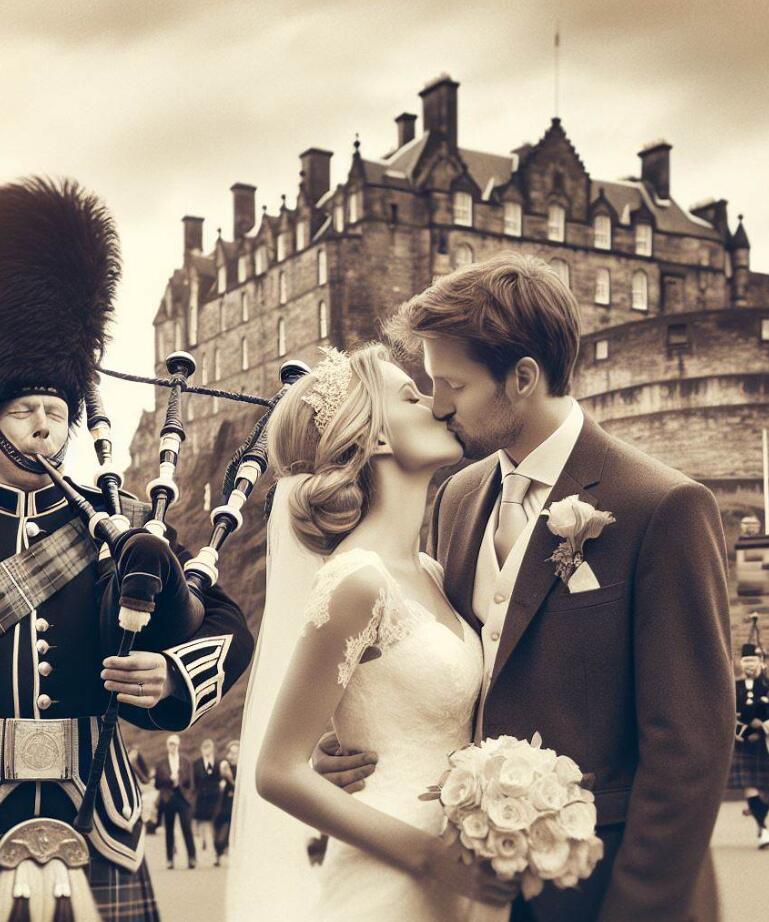
Enchanting Edinburgh: A Dreamy Honeymoon Destination

Congratulations to the newlyweds embarking on a blissful journey of love and adventure! As you step into this beautiful chapter of your lives, there’s no better way to begin than with a dreamy honeymoon in the historic and captivating city of Edinburgh.

Embrace Romance in a Timeless City

Nestled amidst rolling hills and adorned with stunning medieval and Georgian architecture, Edinburgh embodies an undeniable charm that sets the perfect stage for a romantic escapade. From the moment you arrive, the city’s old-world allure and vibrant energy will envelop you in its embrace.

Whispering Sweet Nothings Amidst Nature’s Beauty

Explore the breathtaking landscapes of Arthur’s Seat, where panoramic views of the city await atop an extinct volcano. Hand in hand, revel in the serenity of Holyrood Park’s lush greenery and secluded spots, offering the perfect backdrop for stolen kisses and intimate moments.

Melodies of Love in the Royal Mile

Stroll along the cobblestone streets of the Royal Mile, where the echoes of centuries past resonate in its historic buildings and quaint shops. Let the tunes of local street musicians serenade you as you discover hidden gems and cozy cafes, savoring each moment together.

Toasting to Forever at Edinburgh Castle

Raise a glass to your everlasting love amidst the grandeur of Edinburgh Castle. The timeless beauty and history of this iconic landmark provide an enchanting backdrop for an unforgettable evening, celebrating your union against the breathtaking skyline.

A Starlit Affair: Edinburgh’s Nighttime Charms

As the sun sets, Edinburgh transforms into a mesmerizing spectacle. Wander through the Old Town’s narrow alleys illuminated by the warm glow of streetlamps, stealing kisses under the starlit sky—the perfect canvas for your love story.

Unwind in Tranquil Luxury

Retreat to luxurious accommodations, whether it’s a cozy boutique hotel or an elegant suite with panoramic views. Allow yourselves to relax and indulge in each other’s company, relishing the comfort and luxury that Edinburgh’s finest establishments offer.

Culinary Adventures for Two

Savor the delectable flavors of Scotland as you embark on a culinary journey together. From traditional haggis to sumptuous seafood, Edinburgh’s diverse gastronomic scene is sure to tantalize your taste buds and create savory memories.

Cherishing Moments That Last a Lifetime

In Edinburgh, every corner tells a story, and every moment is an opportunity to create cherished memories. May your honeymoon in this captivating city be filled with laughter, love, and the promise of a lifetime together.

Embrace the magic of Edinburgh, where romance and history intertwine, crafting the perfect canvas for your honeymoon escapade. Here’s to an unforgettable journey as you begin this beautiful chapter hand in hand. Cheers to love, laughter, and a lifetime of happiness!