10 Ways to Build Your Child’s Confidence

Every parent wants their child to grow into a happy, resilient, and self-assured individual. Confidence doesn’t happen overnight—it develops through everyday experiences, encouragement, and the opportunity to learn from both successes and mistakes.

Whether your child is preparing for school, participating in a special event, or simply discovering who they are, there are many simple ways you can help strengthen their self-esteem. Here are ten practical strategies to build your child’s confidence.

1. Celebrate Effort, Not Just Results

Praise your child’s hard work, determination, and willingness to try new things rather than focusing only on achievements. Recognizing effort teaches children that growth comes from persistence and practice.

For example, instead of saying, “You’re so smart,” try saying, “I’m proud of how hard you worked on that project.”

2. Encourage Independence

Allow your child to complete age-appropriate tasks on their own. Whether it’s getting dressed, packing a school bag, or helping prepare dinner, accomplishing everyday responsibilities gives children a sense of capability.

Mistakes are part of learning, so resist the urge to step in too quickly.

3. Let Them Make Choices

Giving children opportunities to make decisions helps them develop confidence in their own judgment. Offer simple choices such as:

  • Choosing between two outfits
  • Selecting a weekend activity
  • Picking a bedtime story
  • Helping plan a family meal

Small decisions build decision-making skills that benefit them throughout life.

4. Encourage Healthy Friendships

Positive friendships help children feel accepted and valued. Encourage your child to spend time with classmates and peers who are kind, supportive, and respectful.

Teach empathy, good communication, and conflict-resolution skills to help them build lasting relationships.

5. Support Their Interests

Every child has unique talents and passions. Whether they enjoy art, dance, sports, science, music, or reading, support their interests without comparing them to others.

The more opportunities children have to develop their strengths, the more confidence they gain.

6. Teach Them That Mistakes Are Part of Learning

Children who fear failure often struggle with confidence. Help your child understand that everyone makes mistakes and that each setback is an opportunity to improve.

Share examples from your own life to show that learning is a lifelong process.

7. Avoid Constant Comparisons

Every child develops at their own pace. Comparing siblings, classmates, or friends can damage self-esteem and create unnecessary pressure.

Instead, celebrate your child’s individual progress and personal achievements.

8. Encourage Public Speaking and Social Participation

Whether it’s answering questions in class, performing in a school play, or attending family gatherings, social experiences help children become more comfortable expressing themselves.

Start with small opportunities and gradually build their confidence in larger settings.

9. Dress for Confidence

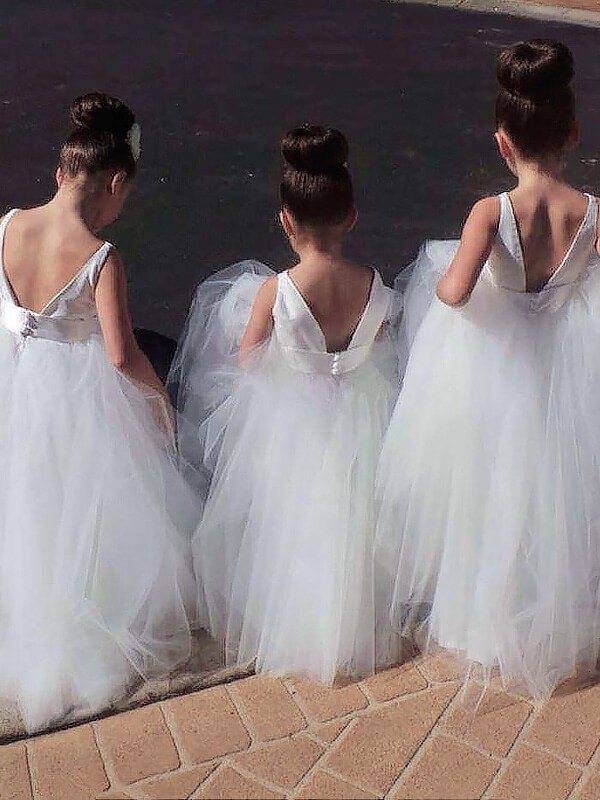
Believe it or not, clothing can influence how children feel about themselves. Wearing comfortable, well-fitting outfits that reflect their personality can help children feel more confident during important moments such as birthday parties, school performances, weddings, or family celebrations.

Special occasions are also wonderful opportunities to let children choose a dress or outfit they truly love, helping them feel proud and excited to participate.

10. Show Unconditional Love

Perhaps the most important confidence builder is knowing they are loved exactly as they are.

Listen carefully when your child talks, encourage open communication, celebrate their uniqueness, and remind them that your love doesn’t depend on grades, trophies, or perfection.

Children who feel secure at home are more likely to face challenges with courage and confidence.

Building confidence is a journey, not a destination. Small moments of encouragement, patience, and trust have a lasting impact on how children see themselves.

Remember, confident children aren’t those who never fail—they’re the ones who know they can keep trying, keep learning, and keep growing. By celebrating effort, encouraging independence, supporting their interests, and showing unconditional love, you’ll help your child develop the confidence they need to thrive in school, friendships, and life. The greatest gift you can give your child isn’t perfection—it’s the belief that they are capable, valued, and loved every single day.

How to Include a Flower Boy in Your Wedding?

Wedding traditions continue to evolve, giving couples the freedom to create a celebration that reflects their personalities and loved ones. One trend that has become increasingly popular is including a flower boy in the wedding ceremony. Whether he’s your son, nephew, little brother, or a close family friend, a flower boy brings charm, laughter, and unforgettable memories to your special day.

If you’re wondering how to include a flower boy in your wedding, here are some creative ideas to make him feel confident, comfortable, and celebrated.

What Is a Flower Boy?

A flower boy takes on a role traditionally reserved for a flower girl—leading the wedding procession while scattering flower petals or carrying decorative items down the aisle. His role is just as meaningful, adding a playful and heartwarming touch that guests of all ages will love.

There are no strict rules. Your flower boy can be as traditional or as creative as you like.

Choosing the Right Flower Boy

The ideal flower boy is someone who feels comfortable walking down the aisle and enjoys being part of the celebration. Most flower boys are between 3 and 10 years old, but older children or even adults have embraced the role in fun and memorable ways.

Consider choosing someone who:

  • Has a close relationship with you or your partner.
  • Is comfortable around crowds.
  • Will enjoy participating in the ceremony.
  • Can follow simple instructions with a little practice.

Remember that younger children don’t need to be perfect. Their spontaneous smiles and adorable moments often become guests’ favorite memories.

What Should a Flower Boy Wear?

The outfit should complement your wedding theme while allowing him to move comfortably.

Popular outfit ideas include:

  • A classic suit or tuxedo matching the groom or ring bearer.
  • Suspenders with dress pants and a bow tie for a rustic wedding.
  • A linen shirt and trousers for a beach ceremony.
  • A vest with coordinating colors for a semi-formal celebration.

You can personalize his look with:

  • A floral boutonniere.
  • Colorful socks.
  • A matching tie or bow tie.
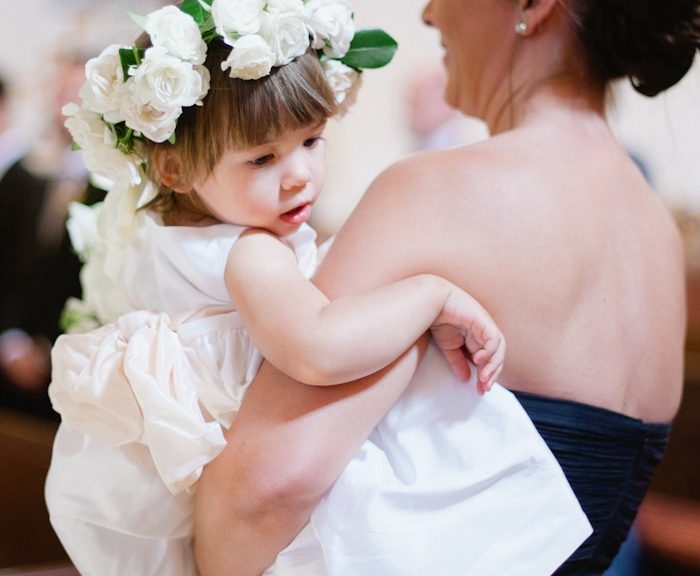
  • A flower crown for a whimsical garden wedding.

Comfort is essential, especially for younger children who may spend several hours at the venue.

Creative Ways to Replace Flower Petals

Many venues have restrictions on tossing fresh petals, but there are plenty of fun alternatives.

Your flower boy can carry or toss:

  • Silk flower petals.
  • Dried flower petals.
  • Lavender buds.
  • Bubbles.
  • Biodegradable confetti.
  • Small ribbon wands.
  • Wooden flower baskets.
  • Mini flags or signs with a sweet message.

These options create beautiful photo opportunities while keeping cleanup easy.

Give Him a Special Entrance

If your flower boy has a big personality, let him shine with a memorable entrance.

Fun ideas include:

  • Pulling a decorated wagon.
  • Carrying a “Here Comes the Bride” sign.
  • Walking with the flower girl.
  • Escorting younger children down the aisle.
  • Tossing petals from a charming basket.

For a lighthearted wedding, some couples even have the flower boy wear sunglasses or dance down the aisle to entertain guests.

Practice Before the Ceremony

Children feel much more confident when they know what to expect.

Before the wedding:

  • Walk through the ceremony together.
  • Show him exactly where to start and stop.
  • Let him practice holding the basket.
  • Keep instructions simple and positive.
  • Reassure him that smiling and having fun is more important than perfection.

Even if he forgets part of his role, those authentic moments often become treasured memories.

Pair Him with a Flower Girl

A flower boy and flower girl make an adorable team. Walking together can help nervous children feel more confident while creating beautiful photographs.

Coordinate their outfits with complementary colors, matching floral accents, or similar accessories to create a cohesive wedding party look.

Make Him Feel Important

Being part of a wedding is a big moment for a child.

Help him feel included by:

  • Introducing him during the rehearsal.
  • Giving him a small thank-you gift.
  • Letting him attend pre-wedding photos.
  • Praising his efforts after the ceremony.

A personalized keepsake, such as a framed photo, engraved keychain, or storybook about the wedding, makes a meaningful reminder of the special day.

Don’t Stress About Perfection

One of the greatest joys of having children in your wedding is their unpredictability. Whether your flower boy carefully scatters petals, runs down the aisle, or decides to wave at every guest, these moments add personality and warmth to your celebration.

Your guests will remember his smile and enthusiasm far more than whether he followed every step perfectly.

Including a flower boy in your wedding is a wonderful way to celebrate the important children in your life while adding a unique and memorable touch to your ceremony. With the right outfit, a little preparation, and plenty of encouragement, your flower boy can become one of the stars of the day.

Whether your wedding style is elegant, rustic, modern, or whimsical, a flower boy brings happiness, laughter, and heartfelt memories that will be cherished for years to come.

What’s the Appropriate Age for a Flower Girl or Ring Bearer?

Planning your wedding is filled with exciting decisions, and one of the sweetest moments is choosing your flower girl and ring bearer. These little attendants bring charm, innocence, and unforgettable smiles to your ceremony. But many couples wonder: What is the appropriate age for a flower girl or ring bearer?

The good news is that there are no strict rules. The ideal age depends on the child’s personality, confidence, and your wedding style. Here’s everything you need to know.

Ideal Age for a Flower Girl

Traditionally, flower girls are between 3 and 8 years old. Children in this age range are generally comfortable walking down the aisle with a little guidance while adding a delightful touch to the ceremony.

  • Ages 2–3: Adorable but may need assistance from a parent or an older child.
  • Ages 4–6: The most popular age range, as children are typically confident enough to walk independently.
  • Ages 7–8: Older flower girls often take their role seriously and can help younger attendants if needed.

Ultimately, the best flower girl is one who feels excited and comfortable participating in your special day.

Ideal Age for a Ring Bearer

Ring bearers are commonly between 3 and 7 years old, although older children are equally welcome if they fit your wedding vision.

Many couples choose a young nephew, cousin, sibling, or close family friend for this role. Since carrying the wedding rings is largely symbolic, many couples use decorative rings or empty ring boxes while the best man or officiant keeps the real rings safe.

Can Babies or Toddlers Be Flower Girls or Ring Bearers?

Absolutely! Babies and toddlers can create some of the most heartwarming wedding memories.

If your little attendant is under three years old, consider:

  • Pulling them in a decorated wagon.
  • Having an older sibling escort them.
  • Letting a parent accompany them down the aisle.
  • Keeping expectations relaxed—spontaneous moments often become everyone’s favorite memories.

What If the Child Is Older?

There is no rule that says flower girls and ring bearers must be very young.

Children aged 9 to 12 may prefer roles such as:

  • Junior Bridesmaid
  • Junior Groomsman
  • Ceremony attendant
  • Usher

These roles allow older children to feel included while matching their maturity level.

How to Choose the Right Child

Instead of focusing only on age, consider these qualities:

  • Comfort in front of people: Will they enjoy walking down the aisle?
  • Reliability: Can they follow simple instructions?
  • Relationship with the couple: Close family members or cherished friends’ children often make meaningful choices.
  • Interest: A child who is excited about participating will usually have the best experience.

Remember, every child is unique. Some four-year-olds are fearless, while some seven-year-olds may feel shy.

Tips for a Successful Walk Down the Aisle

Help your flower girl or ring bearer feel confident by following a few simple tips:

  • Attend the wedding rehearsal.
  • Keep their responsibilities simple.
  • Practice walking beforehand.
  • Offer encouragement rather than pressure.
  • Have snacks and entertainment available before the ceremony.
  • Be flexible if things don’t go exactly as planned.

Often, the most memorable wedding moments are the unexpected ones!

Choosing the Perfect Outfit

The right attire helps your little attendants feel special and complements your wedding theme.

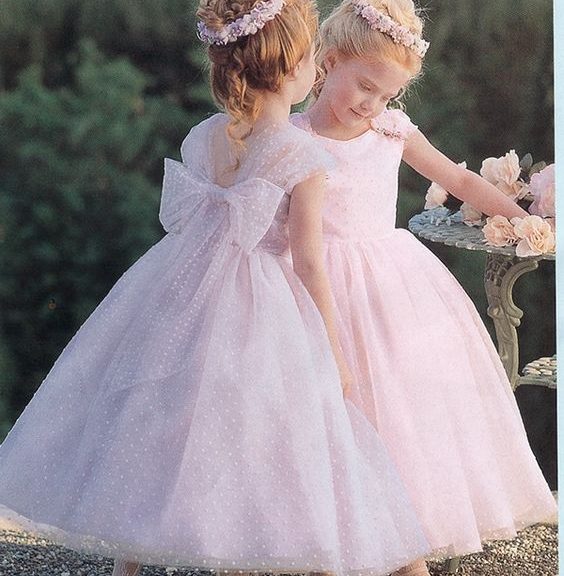
For flower girls, choose dresses that are:

  • Comfortable and easy to move in.
  • Appropriate for the season.
  • Coordinated with the bridal party without overshadowing the bride.
  • Made from soft, high-quality fabrics such as tulle, satin, lace, or chiffon.

Ring bearers can wear:

  • Classic suits or tuxedos.
  • Dress shirts with suspenders.
  • Bow ties or neckties.
  • Comfortable dress shoes suitable for walking.

Most importantly, ensure the outfit fits properly so children can move comfortably throughout the day.

The traditional age for a flower girl is 3 to 8 years old, while ring bearers are typically 3 to 7 years old. However, there are no strict rules. The perfect choice is a child who feels happy, confident, and excited to be part of your celebration.

Whether your little attendant is a curious toddler, an energetic preschooler, or an older child ready to help, they’ll add warmth, joy, and unforgettable memories to your wedding day. With a little preparation and a beautiful outfit, your flower girl or ring bearer is sure to steal everyone’s heart.

The Most Important Health and Beauty Secrets Protect your Skin

Best kept health and beauty secrets is an internet topic that is constantly in print. What does best kept health and beauty secrets really mean?

Best Kept Health and Beauty Secrets often is a catch-phrase used to attract attention to drive a reader to a product offering. A great website will share with you the actual health and beauty secrets that give you alluring, supple, provocative looking skin without the hype.

The first Best Kept Health and Beauty Secret is to use the correct pH of all products used on your skin. The recommended pH is 5.5 and certified dermatologist-tested at that level.

The next beauty secret is that skin care products are 100% formulated without animal products or by-products. Only plants and herbs together, improved through science and technology, offer superior benefits.

Natural beauty is individuality. It is also glowing health and vitality, it is awareness and action, it is science and technology and, of course, well groomed looks, perfectly nourished skin, and a toned and balanced body. We are no longer interested in finding quick cover-up effects but want long-range anti-aging natural beauty secrets to make us look and feel younger.

There’s a whole lot more to being beautiful than just your physical looks alone. It is true, natural beauty is making the most of what you have by looking after yourself and showing off your best.

Some of the most satisfactory beauty secrets are those you can make yourself with familiar ingredients. Old-fashioned beauty recipes handed down through the years, added to and improved upon, often turn out to be the most valuable of all beauty secrets. It will take time to determine which ones are the best for your particular skin type.

The traditional smoky-eye makeup colors are, of course, black or grey. You are, however, not limited to these color choices, you can also use less intense colors such as violet, chocolate, coffee, dark pink, copper, dark green, dark blue, or purple. Remember, when choosing eye shadow shades that colors should be chosen keeping in mind your eye color, hair color, and skin tone, and not the color of the clothes you wear. For smoky-eye makeup, you will need to choose 2 color coordinated eye shadows.

Since the days of antiquity, the aloe vera plant has been a popular healing remedy for many different types of diseases and conditions, and also as an aid in the promotion of greater health. Without a doubt, aloe vera’s most popular use is in the promotion of health and healing for the skin.

Anti aging starts on the inside, we all age at different rates depending on how well we look after ourselves. You can have control over your aging process, all you need to do is use anti aging skin care products and follow a few simple guidelines. Pursuing natural beauty secrets for anti aging is not vanity; it is an essential way to build-up confidence without which there is little achievement in anything.

Beauty advice that is not strictly guided by products 100% without mineral oil are not beauty secrets to be used. Mineral oil is occlusive that interferes with skin functions and otherwise scientifically advanced delivery systems. Think about smearing mineral oil on skin that is already even slightly oily and how the outcome could only be an oilier complexion.

If you are truly passionate about carressable skin, a best kept beauty secret is the total avoidance of products including dyes or chemical fragrances.

In summary, the best kept health and beauty secrets have to do with being committed to reversing the aging process; with a balanced diet, drink plenty of water, and use the helpful home remedy tips we suggest above.

A Deeper Look at the Traditional Wedding Veil

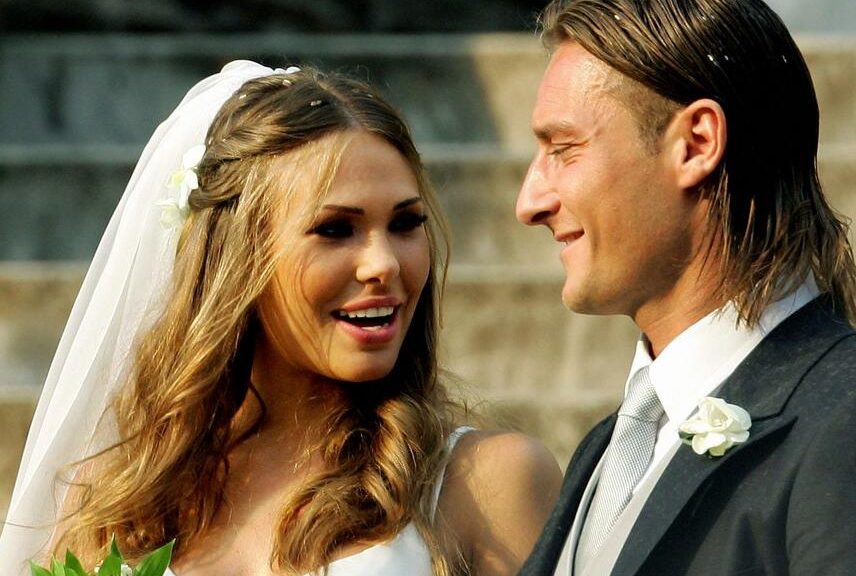
In western societies such as the United States, women have traditionally worn wedding veils for hundreds of years. Many years ago, most women wore their hair long; unlike the shorter hairstyles many women have today. Long hair was once thought of as symbol of a woman’s virginity before marriage. Many think of the traditional white wedding veil in the same fashion regardless of the length of the woman’s hair.

Wedding veils were used before the traditional wedding gown and was included in the standard wedding attire in the 1900s. No one seems to have a definitive answer as to exactly when wedding veils came about though. There also is a great deal of mystique and lore surrounding the origins of the veil and the different Christian and secular meanings behind it.

There are religious faiths that require the wearing of wedding veils. This practice follows traditions practiced in biblical times, but not all religions have this requirement and not everyone has the same viewpoints on how religion plays into the wearing of wedding veils.

Many people choose to mix religion, traditions, and new concepts into their weddings. There is a trend towards giving the bride greater liberty to express herself and her personality during the process of choosing wedding invitations, decorations, and food selections. Picking out a style of wedding dress and choosing the apparel that the bridal party wears also falls under this current trend.

Many women choose to wear wedding veils because there is a long held belief that it is bad luck for the groom to see his bride before the exchanging of vows. Another thought process surrounding wedding veils is that concealing a bride behind a veil is for hiding her exquisite beauty from her man until he has earned the right to bask in her beauty by marrying her. Brides have traditionally worn white to symbolize virginity and other virtuous traits a woman possesses. The rules have been relaxed on this over the years; however, brides today wear gowns and veils in a variety of colors from lively to more subdued styles.

It is traditional for a groom to lift his bride’s veil after exchanging vows with one another. This is to symbolize a man taking possession of his bride although most people in modern societies do not think of it in that way anymore. Instead, it is thought of as the bride and groom becoming one union, rather than a woman becoming her husband’s property. However, some people persist in believing the roots of these older traditions.

In some African countries, men wear veils all the time starting around the age of 25 to ward off evil spirits. In contrast, many African women do not typically wear veils for weddings. Muslim women wear headscarves. Japanese women wear headdresses, headscarves, or head wraps. Nuns wear head coverings called wimples.

There are many types of veils that all have different meanings. However, they are sometimes confused with the traditional wedding veil. A wedding veil is said to be a symbol of modesty and innocence, and veils worn by dancers are said to be symbolic of sexuality.

Shopping for bridal attire including wedding veils is made simpler thanks to the wide world web, which offers up a wide selection in styles, sizes, lengths, colors, and prices to fit every bride’s budget and tastes. You can get ideas from comparing different styles and prices without leaving your house. Browsing wedding veils online also allows you to experiment with color options. Ordering wedding apparel, accessories, gifts, invitations, and other wedding related items online can save a lot of time, emotional episodes, and money. It is recommended to check the internet because most online retailers also have a brick and mortal store, which has the same products. You can find the veils that you like online then purchase it at the store depending on when you need it.

It is not mandatory to wear a veil at your wedding, but many brides choose to because the veil is so ingrained into the traditional setting of a wedding. You can wear a veil even if your wedding is more modern than traditional. There is no rule against mixing some older traditions with the new ones you may create with your wedding. It might be interesting to know some of the meanings behind the wearing of the traditional wedding veil. However, your focus should be on savoring every possible moment of this glorious event in your life.