Category Archives: Party Ideas

Guide to Ring Bearers: Roles, Outfits, and Wedding Tips

A ring bearer is one of the sweetest members of a wedding party. Traditionally, the ring bearer walks down the aisle carrying the wedding rings, adding a charming and memorable moment to the ceremony. Today, couples have plenty of flexibility when choosing a ring bearer, from a young child in the family to an older child or even a beloved family member.

Whether you are planning a traditional wedding or a modern celebration, this guide will help you understand the ring bearer’s role, choose the right outfit, and make the experience enjoyable for everyone.
What Is a Ring Bearer?

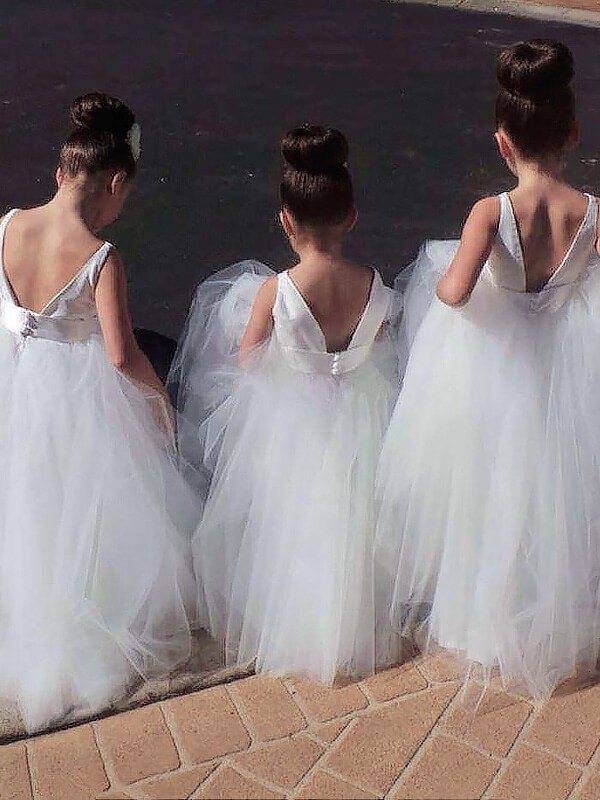
A ring bearer is typically a child who participates in the wedding ceremony by carrying the wedding rings down the aisle. Traditionally, the ring bearer walks shortly before the flower girl or bridal party.

However, the role doesn’t have to follow a strict formula. Some couples choose two ring bearers, while others invite an older child to take on the responsibility. The most important thing is that the role feels comfortable and meaningful for your wedding.

What Age Should a Ring Bearer Be?

There is no official age requirement for a ring bearer. Children between approximately 3 and 8 years old are commonly chosen because they are old enough to participate while still bringing a playful, youthful charm to the ceremony.

You can also choose a younger or older child. For very young children, having a parent or another member of the wedding party accompany them down the aisle can make the experience easier.

Remember that every child is different. Consider their personality, confidence, and ability to follow simple instructions rather than choosing based solely on age.

What Does a Ring Bearer Actually Do?

The ring bearer’s responsibilities can be as simple or elaborate as you like.

Before the Ceremony

The ring bearer may:

  • Attend the wedding rehearsal
  • Meet the other members of the wedding party
  • Practice walking down the aisle
  • Become familiar with their outfit and accessories
  • Learn when and where to stand during the ceremony

During the Ceremony

Traditionally, the ring bearer:

  1. Walks down the aisle at the appropriate time.
  2. Carries a ring pillow, decorative box, or another ring holder.
  3. Stands or sits in a designated area during the ceremony.
  4. Joins the wedding party for photographs.

For younger children, the actual wedding rings may be kept safely with an adult, while the child carries symbolic rings or another decorative item.

Choosing the Perfect Ring Bearer Outfit

The ring bearer’s outfit should complement the overall wedding style while allowing the child to feel comfortable.

For a traditional formal wedding, a classic suit or tuxedo-style outfit can create a polished look. For a relaxed outdoor wedding, a dress shirt with trousers, suspenders, or a vest may be more appropriate.

Consider coordinating the outfit with:

  • The groom’s or groomsmen’s attire
  • The wedding colors
  • The flower girl’s dress
  • The overall wedding theme
  • The venue and season

Matching doesn’t necessarily mean wearing exactly the same outfit. Coordinating colors, fabrics, or accessories can create a cohesive wedding-party look without making the child feel like a miniature adult.

Ring Bearer Accessories

Small accessories can make the outfit extra special. Depending on the wedding style, consider:

  • A bow tie
  • Suspenders
  • A vest
  • Dress shoes
  • A pocket square
  • A small boutonniere
  • A decorative ring pillow
  • A personalized ring box

Keep accessories comfortable and age-appropriate. Children should be able to walk, sit, and move around easily.

Should the Ring Bearer Carry Real Wedding Rings?

Not necessarily. Many couples prefer to keep the actual wedding rings with a trusted adult for security.

The ring bearer can carry a decorative pillow or ring box containing symbolic rings instead. This allows the child to participate in the tradition without placing responsibility for valuable jewelry on a young child.

How to Prepare Your Ring Bearer

A little preparation can make a big difference.

Start by explaining the role in simple terms. Let the child know where they will walk, where they will stand, and who they will follow.

A rehearsal is especially helpful. Practice walking slowly down the aisle and getting into position. If possible, let the child see the ceremony space beforehand so it feels familiar on the wedding day.

Most importantly, keep expectations realistic. Young children may become shy, excited, distracted, or nervous. That’s completely normal.

What If the Ring Bearer Gets Nervous?

Don’t worry if the ring bearer doesn’t perform perfectly. Weddings can be overwhelming for children because of the crowds, music, unfamiliar surroundings, and attention.

A parent, older sibling, flower girl, or another trusted adult can walk alongside them if needed. You can also give the child another simple role, such as walking with the flower girl or simply joining the wedding photographs.

The goal is to create a happy memory—not a stressful performance.

Ring Bearer and Flower Girl Coordination

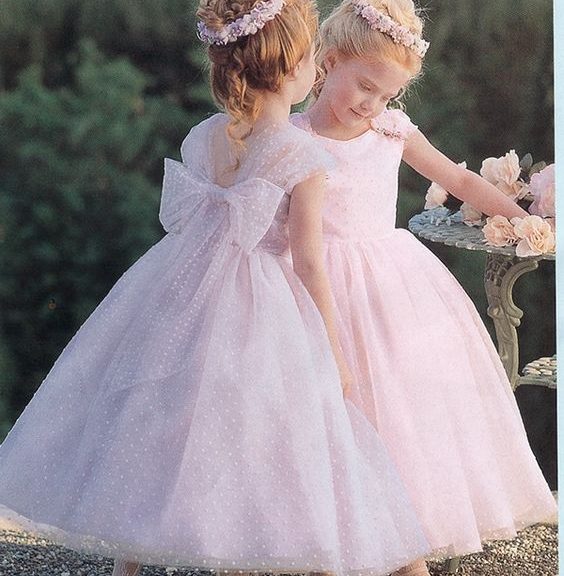
Ring bearers and flower girls often appear together in the wedding procession, so coordinating their outfits can create a beautiful visual effect.

They don’t have to wear matching colors. Instead, choose complementary shades or details. For example, the ring bearer’s bow tie or vest could coordinate with the flower girl’s dress, creating a subtle connection between their looks.

Tips for Parents of Ring Bearers

If you are the parent of a ring bearer, consider these practical tips:

Choose comfort first. Make sure the outfit fits well and doesn’t restrict movement.

Practice beforehand. A few short practice sessions can help the child understand what to expect.

Bring backup clothes. Children can spill food or get messy, especially during a long wedding day.

Keep expectations flexible. Don’t pressure the child if they become nervous or distracted.

Pack familiar items. A favorite small toy, snack, or comfort item can help during waiting periods.

Arrive early. Extra time allows the child to get comfortable with the surroundings.

Making the Role Special

Being a ring bearer can help a child feel like an important part of the celebration. Consider giving them a small keepsake after the wedding, such as a personalized gift, photo frame, or special card thanking them for participating.

You can also include the ring bearer in wedding photographs with the couple, flower girl, and wedding party. These pictures often become treasured memories for the family.

A ring bearer may have a small role, but they can bring plenty of personality and joy to a wedding ceremony. From choosing a comfortable outfit to practicing the aisle walk, thoughtful preparation can help the child feel confident and included. Most importantly, remember that children don’t have to be perfect. Whether they confidently walk down the aisle or need a little help along the way, their participation is about celebrating family, friendship, and the special people who make the wedding day meaningful.
How to Ask Your Flower Girls and Ring Bearers to Be in Your Wedding Party

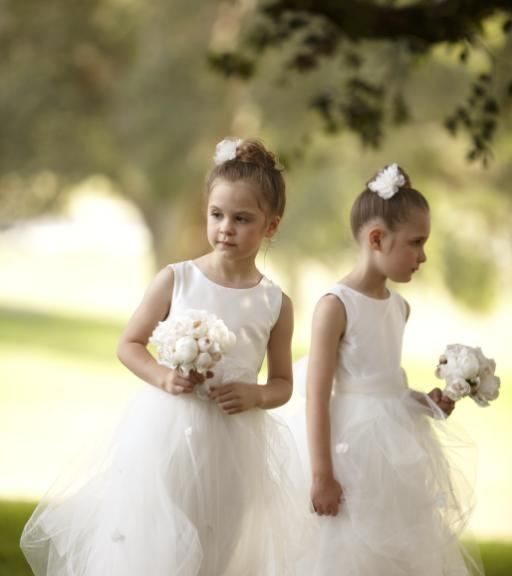
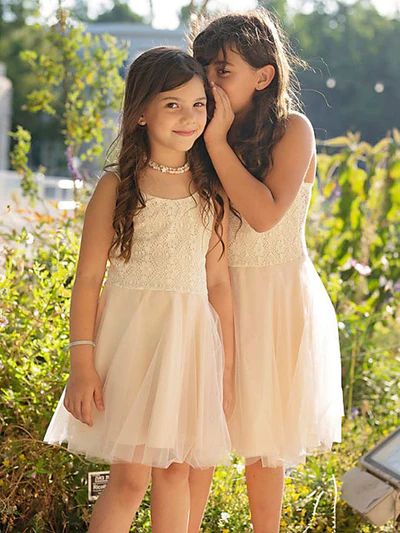
Asking a child to be part of your wedding party is a special moment they will remember for years to come. Whether you choose a flower girl, ring bearer, or both, inviting a child to take part in your big day can make the celebration even more meaningful.

But how should you ask? Here are some creative and thoughtful ideas to make the invitation special.

1. Give Them a Special Invitation

A personalized invitation can make the moment feel important. Create a small card with their name and a simple message such as:

“Will you be our flower girl?”

or

“Will you be our ring bearer?”

You can decorate the card with flowers, ribbons, hearts, or details that match your wedding theme.

2. Create a Small Gift Box

A proposal box is a fun way to surprise a young member of your wedding party. Depending on the child’s age, you could include:

  • A personalized card
  • A small picture frame
  • A storybook
  • A hair accessory
  • A bow tie
  • A small wedding-themed keepsake
  • A sweet treat

Keep the gift age-appropriate and simple so the invitation itself remains the focus.

3. Ask Them During a Family Celebration

You don’t necessarily need an elaborate proposal. A family dinner, birthday gathering, or weekend visit can provide the perfect opportunity.

You could present the invitation after dinner and explain why you would love them to be part of your wedding.

4. Make the Question Personal

Children appreciate knowing why they were chosen. Instead of simply asking them to participate, tell them what makes their role special.

For example:

“We would love for you to be our flower girl because you are such an important part of our family.”

A personal explanation can make the invitation feel more meaningful.

5. Choose a Fun Way to Ask Younger Children

For younger children, make the invitation playful. You could hide a small note inside a favorite book or give them a simple puzzle that reveals the question.

Another idea is to create a balloon or gift bag containing the invitation. The goal isn’t to make the proposal expensive—it’s to create a memorable moment.

6. Consider Their Age and Personality

Not every child will react to a wedding proposal in the same way. Some children will be excited immediately, while others may need time to understand what being a flower girl or ring bearer means.

Explain the role in simple language and give them an opportunity to ask questions.

7. Talk to Their Parents First

Before asking a child directly, speak with their parents or guardians. They can help you determine whether the child is comfortable with the responsibilities involved.

Parents may also need to consider practical details such as clothing, transportation, rehearsal attendance, and the length of the wedding ceremony.

8. Explain What Their Role Involves

Children should know what to expect before agreeing to participate.

A flower girl might walk down the aisle before the bride, while a ring bearer may walk alongside the wedding party. However, traditions vary, and couples can adapt these roles to suit their ceremony.

Keep the explanation simple and reassuring. Let children know that they don’t have to be perfect.

9. Make Their Wedding Outfit Special

Once they agree, choosing their outfit can become another fun part of the experience.

For a flower girl, consider a comfortable dress that complements the wedding colors. For a ring bearer, a coordinated suit, shirt, vest, or bow tie can create a polished look.

Comfort is especially important because children may be wearing their outfits for several hours.

10. Capture the Moment

Don’t forget to take a few photos when you ask. A picture of a child’s reaction can become a wonderful keepsake.

You could even create a small photo album documenting their journey from the invitation to the wedding day.

Make Them Feel Included

Being a flower girl or ring bearer is more than simply walking down the aisle. Children can feel especially excited when they are included in age-appropriate parts of the wedding preparations.

You might invite them to:

  • Look at ceremony decorations
  • Help choose small accessories
  • Attend a rehearsal
  • Take part in family photographs
  • Practice their walk
  • Celebrate with the wedding party

These little moments can help them feel like an important part of the celebration.

Asking a flower girl or ring bearer to join your wedding party doesn’t need to be complicated or expensive. A thoughtful invitation, a small keepsake, or simply a heartfelt conversation can make the moment memorable.

Most importantly, remember that children are there to celebrate with you—not to perform perfectly. Give them age-appropriate responsibilities, make them feel welcome, and allow them to enjoy the experience.

With a little planning and plenty of encouragement, your flower girl or ring bearer can become a wonderful part of one of the most memorable days of your life.

A Deeper Look at the Traditional Wedding Veil

In western societies such as the United States, women have traditionally worn wedding veils for hundreds of years. Many years ago, most women wore their hair long; unlike the shorter hairstyles many women have today. Long hair was once thought of as symbol of a woman’s virginity before marriage. Many think of the traditional white wedding veil in the same fashion regardless of the length of the woman’s hair.

Wedding veils were used before the traditional wedding gown and was included in the standard wedding attire in the 1900s. No one seems to have a definitive answer as to exactly when wedding veils came about though. There also is a great deal of mystique and lore surrounding the origins of the veil and the different Christian and secular meanings behind it.

There are religious faiths that require the wearing of wedding veils. This practice follows traditions practiced in biblical times, but not all religions have this requirement and not everyone has the same viewpoints on how religion plays into the wearing of wedding veils.

Many people choose to mix religion, traditions, and new concepts into their weddings. There is a trend towards giving the bride greater liberty to express herself and her personality during the process of choosing wedding invitations, decorations, and food selections. Picking out a style of wedding dress and choosing the apparel that the bridal party wears also falls under this current trend.

Many women choose to wear wedding veils because there is a long held belief that it is bad luck for the groom to see his bride before the exchanging of vows. Another thought process surrounding wedding veils is that concealing a bride behind a veil is for hiding her exquisite beauty from her man until he has earned the right to bask in her beauty by marrying her. Brides have traditionally worn white to symbolize virginity and other virtuous traits a woman possesses. The rules have been relaxed on this over the years; however, brides today wear gowns and veils in a variety of colors from lively to more subdued styles.

It is traditional for a groom to lift his bride’s veil after exchanging vows with one another. This is to symbolize a man taking possession of his bride although most people in modern societies do not think of it in that way anymore. Instead, it is thought of as the bride and groom becoming one union, rather than a woman becoming her husband’s property. However, some people persist in believing the roots of these older traditions.

In some African countries, men wear veils all the time starting around the age of 25 to ward off evil spirits. In contrast, many African women do not typically wear veils for weddings. Muslim women wear headscarves. Japanese women wear headdresses, headscarves, or head wraps. Nuns wear head coverings called wimples.

There are many types of veils that all have different meanings. However, they are sometimes confused with the traditional wedding veil. A wedding veil is said to be a symbol of modesty and innocence, and veils worn by dancers are said to be symbolic of sexuality.

Shopping for bridal attire including wedding veils is made simpler thanks to the wide world web, which offers up a wide selection in styles, sizes, lengths, colors, and prices to fit every bride’s budget and tastes. You can get ideas from comparing different styles and prices without leaving your house. Browsing wedding veils online also allows you to experiment with color options. Ordering wedding apparel, accessories, gifts, invitations, and other wedding related items online can save a lot of time, emotional episodes, and money. It is recommended to check the internet because most online retailers also have a brick and mortal store, which has the same products. You can find the veils that you like online then purchase it at the store depending on when you need it.

It is not mandatory to wear a veil at your wedding, but many brides choose to because the veil is so ingrained into the traditional setting of a wedding. You can wear a veil even if your wedding is more modern than traditional. There is no rule against mixing some older traditions with the new ones you may create with your wedding. It might be interesting to know some of the meanings behind the wearing of the traditional wedding veil. However, your focus should be on savoring every possible moment of this glorious event in your life.

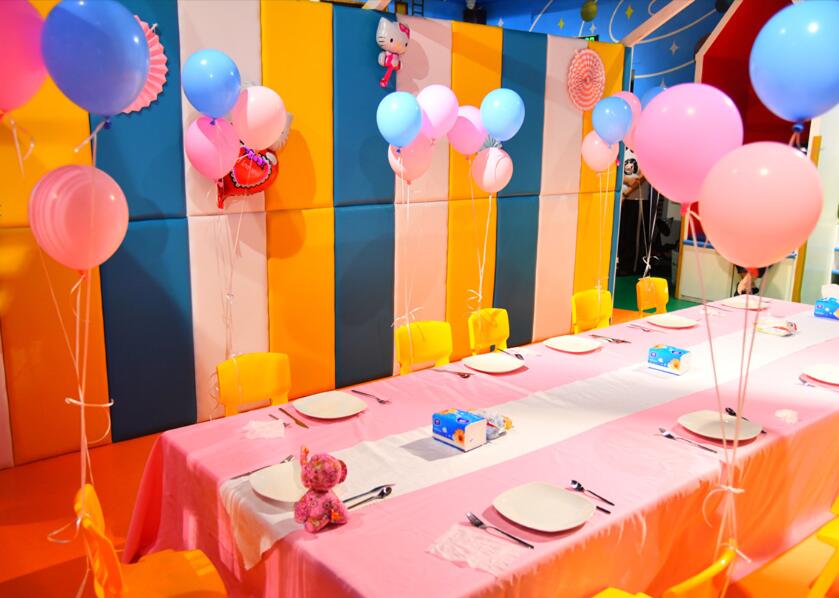
The Ultimate List Of Party Themes For Kids

When throwing a kids party, so many things come to play so that the party can be successful. All the aspects of the party make it a success but, there is one aspect that is known to be the heart of the party because everything has been derived from it. I’m talking about a theme. Kids party themes determine how the party invitations are going to look like. The theme also determines the decorations and generally everything at a party. The simple definition for a theme is that it is a particular message that a party wishes to convey, as the celebrations continue. Kids party themes are very many and you can never lack a suitable theme for your party. It will all depend on the guest of honor at a particular party because they must be pleased first with their party.

All parties will look better with a particular theme. There are hundreds of theme ideas that you can find and the internet will a source you can depend on. Explore themes with your child so that you do not make a decision they will come to dislike later. There are various categories you can choose from and if you want to go with sports, it is up to you. The following are other categories of themes you can go for while exploring themes. A superhero idea where the favorite comic hero is a good choice. Kids can go for batman, superman, Spiderman and other major and minor heroes that are around. You may think of cartoon characters for themes like the power puff girls, Johnny Bravo Dexter and many others.

Other kids party themes could be on animals. The animals could be ordinary like cats, dogs, goats and more or they could be superheroes like Scooby doo and many others. For kids who appreciate nature they may have gardening ideas for a theme. Your imagination needs to run wild when it comes to themes because you have to come up with one for the party. You can also choose a colored theme and below are examples of some ideas. Pink poodle and pink princess are very good themes for young girls. One that is a favorite for boys is a dinosaur party. This ideas is not just for kids but many adults have adapted the theme with confidence to their parties.

Once you are decided on kids party themes, there are major tasks ahead. For example, if you have chosen the magic theme, you will look for all the magical stuff that you can find and you even make some of them yourself. The stuff include the decoration materials, invitations, game stuff and so much more. Details on how to decorate every aspect is provided on the internet and stay ahead with the other details of different topics on themes. Therefore, it is so much fun to read about different kinds of themes. You can also view pictures that will show you how various people have done it and succeeded in implementing even very difficult themes.

Drama-Free Ways Parents Can Make Wedding Guest List Requests

Weddings are joyful milestones, but discussions around the guest list can quickly become a source of tension—especially when parents want to invite friends, relatives, or business associates. While these requests often come from a place of love and pride, they can unintentionally add stress for the couple. The good news? With thoughtful communication and mutual respect, parents can make guest list requests without creating conflict.

Here are drama-free ways parents can navigate the wedding guest list conversation gracefully.

1. Acknowledge That It’s the Couple’s Day

Before making any requests, it’s important for parents to recognize that the wedding belongs to the couple. Expressing support for their vision sets a positive tone and reassures them that you respect their priorities. Starting the conversation with empathy—rather than expectations—helps keep emotions in check.

2. Have the Conversation Early

Timing matters. Bringing up guest list ideas early in the planning process gives couples more flexibility and reduces last-minute stress. Early conversations feel collaborative rather than intrusive and allow everyone to consider options calmly.

3. Be Clear and Organized

Instead of casually adding names over time, prepare a short, well-thought-out list of people you’d love to invite. Explaining who they are and why they matter helps couples understand the request without feeling overwhelmed or pressured.

4. Be Open About Contributions

If parents are contributing financially to the wedding, it’s reasonable to discuss how that may affect guest list expectations—but this should be done transparently and kindly. Frame it as a discussion, not a condition. Respect goes both ways, and financial support shouldn’t feel like leverage.

5. Prioritize and Be Flexible

Not every request can be fulfilled, especially with limited venues or budgets. Identify which guests are truly important and which are optional. Being willing to compromise shows understanding and makes couples more receptive to your input.

6. Avoid Emotional Pressure

Statements like “They’ll be offended if they’re not invited” or “We invited them to your cousin’s wedding” can create guilt and resentment. Instead, keep the conversation factual and calm. Trust the couple to make decisions that balance family dynamics and logistics.

7. Respect a “No” Gracefully

Even thoughtful requests may not always work out. Accepting a couple’s decision with grace preserves relationships and keeps wedding planning enjoyable. Remember, your support and positivity will be remembered long after the wedding day.

8. Focus on the Bigger Picture

At its heart, a wedding is about celebrating love and family. Keeping this perspective helps everyone approach decisions with kindness and patience. When parents and couples work together respectfully, the planning process becomes a shared joy rather than a source of stress.