Category Archives: Party Ideas

Drama-Free Ways Parents Can Make Wedding Guest List Requests

Weddings are joyful milestones, but discussions around the guest list can quickly become a source of tension—especially when parents want to invite friends, relatives, or business associates. While these requests often come from a place of love and pride, they can unintentionally add stress for the couple. The good news? With thoughtful communication and mutual respect, parents can make guest list requests without creating conflict.

Here are drama-free ways parents can navigate the wedding guest list conversation gracefully.

1. Acknowledge That It’s the Couple’s Day

Before making any requests, it’s important for parents to recognize that the wedding belongs to the couple. Expressing support for their vision sets a positive tone and reassures them that you respect their priorities. Starting the conversation with empathy—rather than expectations—helps keep emotions in check.

2. Have the Conversation Early

Timing matters. Bringing up guest list ideas early in the planning process gives couples more flexibility and reduces last-minute stress. Early conversations feel collaborative rather than intrusive and allow everyone to consider options calmly.

3. Be Clear and Organized

Instead of casually adding names over time, prepare a short, well-thought-out list of people you’d love to invite. Explaining who they are and why they matter helps couples understand the request without feeling overwhelmed or pressured.

4. Be Open About Contributions

If parents are contributing financially to the wedding, it’s reasonable to discuss how that may affect guest list expectations—but this should be done transparently and kindly. Frame it as a discussion, not a condition. Respect goes both ways, and financial support shouldn’t feel like leverage.

5. Prioritize and Be Flexible

Not every request can be fulfilled, especially with limited venues or budgets. Identify which guests are truly important and which are optional. Being willing to compromise shows understanding and makes couples more receptive to your input.

6. Avoid Emotional Pressure

Statements like “They’ll be offended if they’re not invited” or “We invited them to your cousin’s wedding” can create guilt and resentment. Instead, keep the conversation factual and calm. Trust the couple to make decisions that balance family dynamics and logistics.

7. Respect a “No” Gracefully

Even thoughtful requests may not always work out. Accepting a couple’s decision with grace preserves relationships and keeps wedding planning enjoyable. Remember, your support and positivity will be remembered long after the wedding day.

8. Focus on the Bigger Picture

At its heart, a wedding is about celebrating love and family. Keeping this perspective helps everyone approach decisions with kindness and patience. When parents and couples work together respectfully, the planning process becomes a shared joy rather than a source of stress.
Do Parents Still Pay for the Child’s Wedding?

Do Parents Still Pay for the Child’s Wedding?

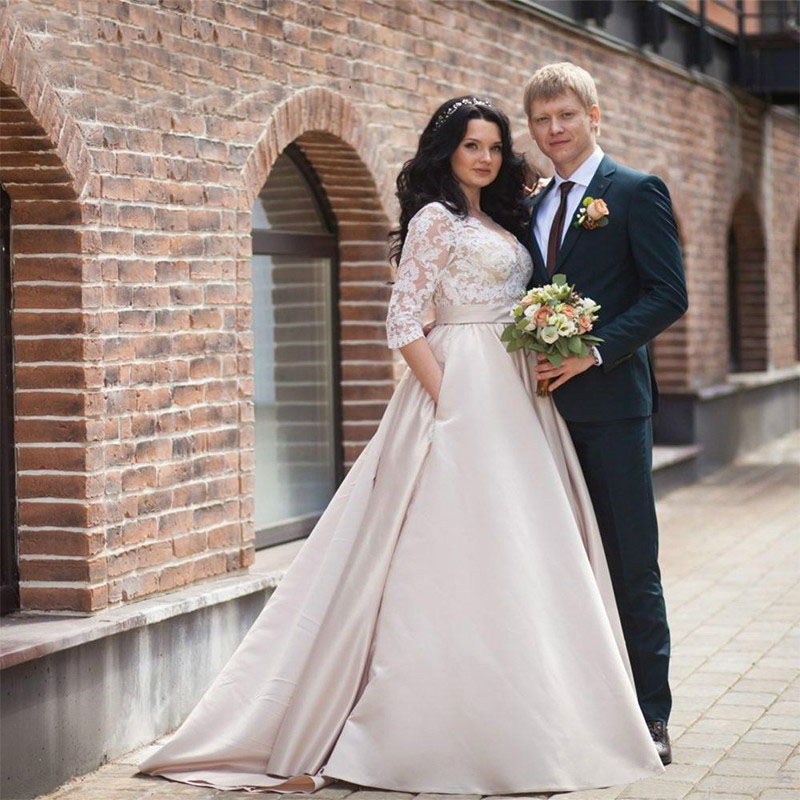
Weddings have always been a family affair, but the way they’re paid for has changed dramatically over the years. Traditionally, it was the bride’s parents who covered most — if not all — of the wedding expenses. However, in today’s world, things are no longer quite so clear-cut. As lifestyles, relationships, and financial realities evolve, many couples and parents are rethinking who should foot the bill for the big day.

A Tradition with Historical Roots

The tradition of the bride’s family paying for the wedding goes back centuries. In many cultures, weddings were seen as a union not just between two people but between two families. The bride’s family often provided a dowry or hosted an elaborate celebration to honor the marriage. This custom gradually evolved into the modern expectation that the bride’s parents would pay for most of the wedding costs — including the ceremony, reception, and attire.

Modern Times, Modern Arrangements

Today, financial responsibility for weddings looks very different. Many couples are older when they marry, often well into their late 20s or 30s, and are financially independent. They may prefer to plan and pay for their wedding themselves to have full control over decisions.

In many cases, both sets of parents contribute, sharing costs more equally. Some couples even split the expenses three ways — bride’s parents, groom’s parents, and the couple themselves. This cooperative approach reflects modern values of equality and partnership, both financially and emotionally.

Why Parents Still Choose to Contribute

Even though the old rulebook has changed, many parents still want to help pay for their child’s wedding. For some, it’s a way of showing love, celebrating family, or continuing tradition. For others, it’s simply about giving their children a great start in married life without financial stress.

Parents who contribute often do so within their means — paying for a specific part of the wedding, like the dress, flowers, or rehearsal dinner. It’s also becoming more common for parents to offer a set amount of money and let the couple decide how to spend it.

Open Communication Is Key

No matter who pays, the most important factor is open and honest communication. Couples and parents should discuss budgets early on and agree on expectations. Clear conversations can prevent misunderstandings and ensure everyone feels respected and comfortable with the financial arrangements.

The Bottom Line

So, do parents still pay for their child’s wedding? Sometimes yes, sometimes no — and often, it’s a bit of both. The modern wedding landscape values flexibility and fairness over rigid tradition. Whether parents, couples, or both share the cost, what matters most is creating a meaningful celebration that reflects love, partnership, and family unity.

Baby Christening Gifts A Wide Variety To Choose From

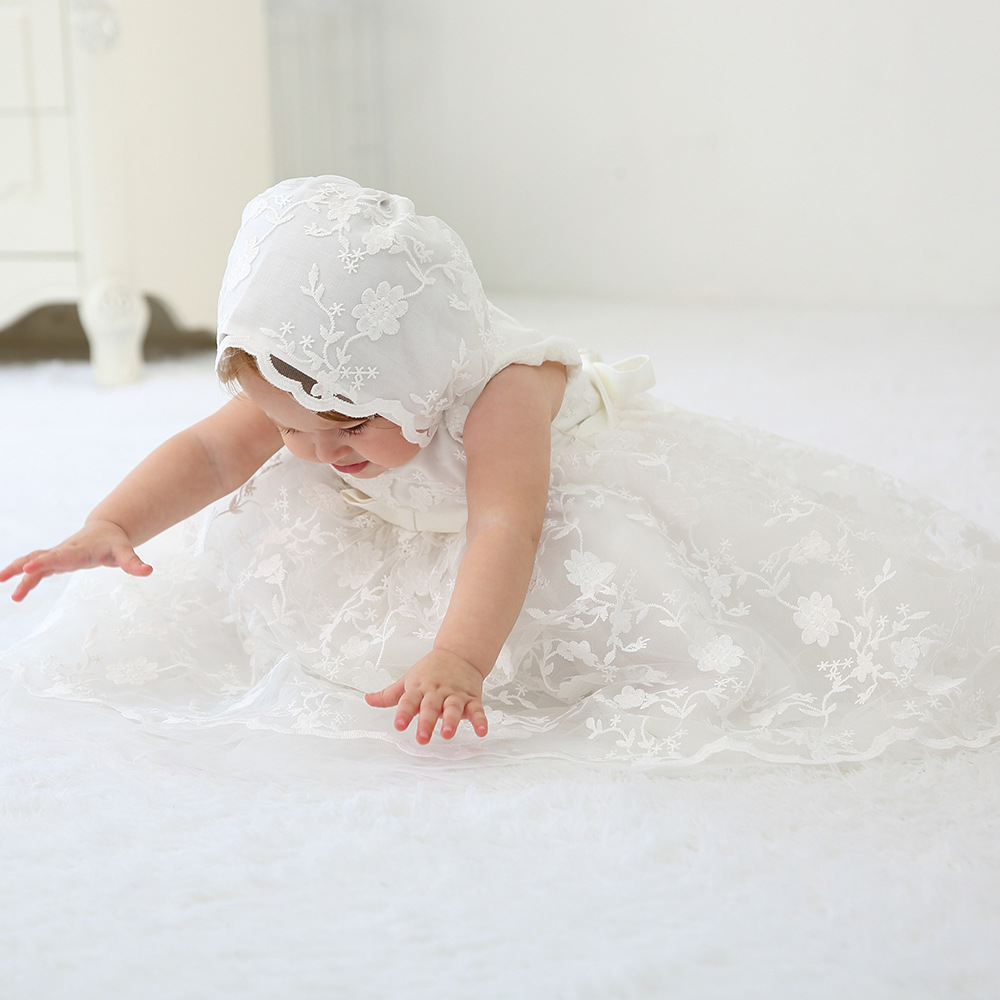
Baby’s christening is a very important ceremony that takes place after the birth of a newborn. Also known as baptism, christening involves giving the baby a formal name. In order to celebrate this event and cherish it for ever, friends and family members shower the new born and his/her parents with various christening gifts.

Some of the popular Baby Christening Gifts includes baby clothes, baby toys and baby blankets. You can find Baby Clothes such as baby sweaters, pyjamas, baby caps, baby booties, baby sleeping suits and lot more. You can also find designer baby clothes in attractive styles and patterns ranging from all in ones, baby shoes, sweater & hats, special occasions, dresses, t shirts, baby sleeping bags, and pyjamas.

Baby Blankets are unique baby christening gifts that are cherished by the new parents and are carried from one generation to another. You can also gift toys to new baby. Cute teddy bears and dolls are available in various sizes and price range. Babies love such attractive gifts and when they grow a little, they can even play with them.

If you are looking for unique baptism gifts, buy silver baby gifts. For instance, silver bracelet, silver bangle, silver comb and brush and silver birth certificate holder are some of the rare baby gift items. If you can’t afford such expensive bay gifts, you can buy baby gift basket. Baby gift basket consists of several practical things. It can include musical baby soft toys, soft baby blankets, cute baby hats and warm baby sleeping bags. Baby gift baskets can also include necessary items like changing pads, teething toys, pacifiers, baby wipes and baby night clothes.

Baby photo frames, baby albums and baby name print frames can also be given as new baby gifts. All these newborn gifts are personalised christening gifts that bring out your extreme love and concern for the baby.

Thus, there is a huge variety of christening gifts to choose from. Depending on your taste, requirement and budget, you can get the baby gift. One of the best places where you can find exclusive new baby gifts is The TrendyGowns Company. This U.K based company provides a range of exclusive, luxurious and affordable new baby gifts and toddler gifts such as baby clothes, baby shoes, baby toys, baby blankets, baby skin care products, baby sleep bags, mother skin care products and much more. They can wrap your selected baby gift, handwrite your personal message on a card and deliver it for you to your friends and family members.

Do Parents Still Pay for the Wedding? A Modern Look at Tradition and Reality

Weddings have long been steeped in tradition—from the white dress to the first dance. One of the most deeply rooted customs is the idea that parents, especially the bride’s, pay for the wedding. But in today’s world of evolving family dynamics, shifting financial expectations, and diverse cultural values, many people are asking: Do parents still pay for the wedding?

The answer? Yes—sometimes. But it’s no longer a one-size-fits-all rule.

The Traditional Expectation

Traditionally, especially in Western cultures, the bride’s family was expected to foot most (if not all) of the wedding bill. This originated from a time when marriage was a transfer of responsibility from the bride’s father to the groom, often involving a dowry. While the custom persisted for generations, it no longer reflects the realities of modern relationships.


What Happens Today

Today, who pays for the wedding depends on several factors: family culture, financial ability, personal values, and even geography. Here are the most common modern approaches:

1. Parents Pay Fully (Still Happens)

Some families still choose to cover the entire wedding cost, especially if they’ve been saving for it. In many cultures and communities, this is seen as a proud parental responsibility.

2. Couples and Parents Split the Cost

Many modern weddings are paid for through a combination of contributions from the couple and their parents. One or both sets of parents may offer a fixed amount or choose to fund specific parts of the wedding—like the rehearsal dinner, dress, or honeymoon.

3. Couples Pay for It Themselves

With more couples getting married later in life and becoming financially independent, it’s increasingly common for them to fund their weddings on their own. This often gives them more control over the size, style, and guest list.

4. Collaborative Family Efforts

In blended families or situations where both sides want to contribute equally, weddings can become a joint effort. Communication and fairness are key to navigating this gracefully.


Factors That Influence Who Pays

  • Financial Ability: Not every family is in a position to help. And that’s okay. Couples are more understanding today and are adjusting their expectations accordingly.
  • Family Structure: Divorce, remarriage, and stepfamilies often lead to multiple contributors—or more complicated conversations.
  • Cultural Expectations: In some cultures, the groom’s family traditionally pays, while in others, it’s the bride’s. But many are modernizing.
  • Couples’ Preferences: Some couples may prefer to pay for their own wedding to avoid expectations or maintain creative freedom.

Tips for Navigating Wedding Finances as a Family

  1. Have the Money Talk Early: Clear, upfront communication avoids misunderstandings later.
  2. Be Honest About What You Can Afford: Don’t go into debt to meet expectations.
  3. Respect Each Other’s Wishes: Whether you’re contributing or not, keep the focus on love, not money.
  4. Set Boundaries: If you’re paying, be clear about whether it comes with any conditions (e.g., number of guests, type of venue).

So—do parents still pay for the wedding? Sometimes, yes. But more often, it’s a shared effort between couples and families, based on communication, mutual respect, and financial reality.

The most important thing isn’t who writes the check—but how families come together to celebrate love, commitment, and a joyful new chapter. Whether you’re offering financial support or simply your heartfelt blessings, your presence and encouragement mean the most.

Prom Dresses for Kids in the UK: A Guide to Finding the Perfect Dress

Prom night is a special occasion, not just for teenagers but also for younger children who attend school dances, junior proms, or other formal events. Choosing the perfect prom dress for kids in the UK requires careful consideration to ensure comfort, style, and affordability. This guide will help parents and guardians navigate the options available and find the perfect dress for their child.

Choosing the Right Prom Dress for Kids

When selecting a prom dress for kids, several factors should be taken into account:

1. Comfort and Fit

A child’s prom dress should allow for easy movement and all-night comfort. Look for breathable fabrics such as cotton blends, chiffon, or tulle that won’t cause irritation. Ensure the dress fits well without being too tight or too loose.

2. Age-Appropriate Styles

Children’s prom dresses should be stylish yet modest. Consider dresses with cap sleeves, lace overlays, or elegant tulle skirts that provide a princess-like feel while remaining suitable for their age group.

3. Trending Styles in the UK

The UK market offers a variety of prom dress styles for kids, including:

  • A-line Dresses: A classic choice that flatters all body shapes.
  • Ball Gown Dresses: Perfect for a fairy-tale look with layers of tulle.
  • Empire Waist Dresses: A comfortable and elegant option.
  • Sequin and Glitter Dresses: Ideal for kids who love a bit of sparkle.

Where to Buy Kids’ Prom Dresses in the UK

Several retailers offer a wide range of prom dresses for children:

  • Online Boutiques: Websites specializing in kids’ formalwear provide exclusive designs and customization options.
  • High-Street Stores: Popular UK retailers like Next, John Lewis, and Monsoon offer stylish and affordable prom dresses.
  • Custom-Made Dresses: For a unique look, consider ordering a tailor-made dress.

Accessories to Complete the Look

To enhance the prom look, consider these accessories:

  • Shoes: Opt for comfortable ballet flats or low-heeled dress shoes.
  • Hair Accessories: Tiaras, headbands, or floral clips can add a touch of elegance.
  • Boleros or Shawls: Ideal for chilly evenings.
  • Minimal Jewelry: A simple bracelet or necklace can complete the look without being overwhelming.

Final Tips for Parents

  • Start shopping early to ensure availability and proper fitting.
  • Set a budget to avoid overspending.
  • Consider your child’s preference to ensure they feel confident and happy in their dress.

With the right dress, accessories, and preparation, your child can shine at their prom or formal event. Whether you opt for a traditional or trendy style, the perfect prom dress for kids in the UK is just a shopping trip away!