Baby Christening Gifts A Wide Variety To Choose From

Baby’s christening is a very important ceremony that takes place after the birth of a newborn. Also known as baptism, christening involves giving the baby a formal name. In order to celebrate this event and cherish it for ever, friends and family members shower the new born and his/her parents with various christening gifts.
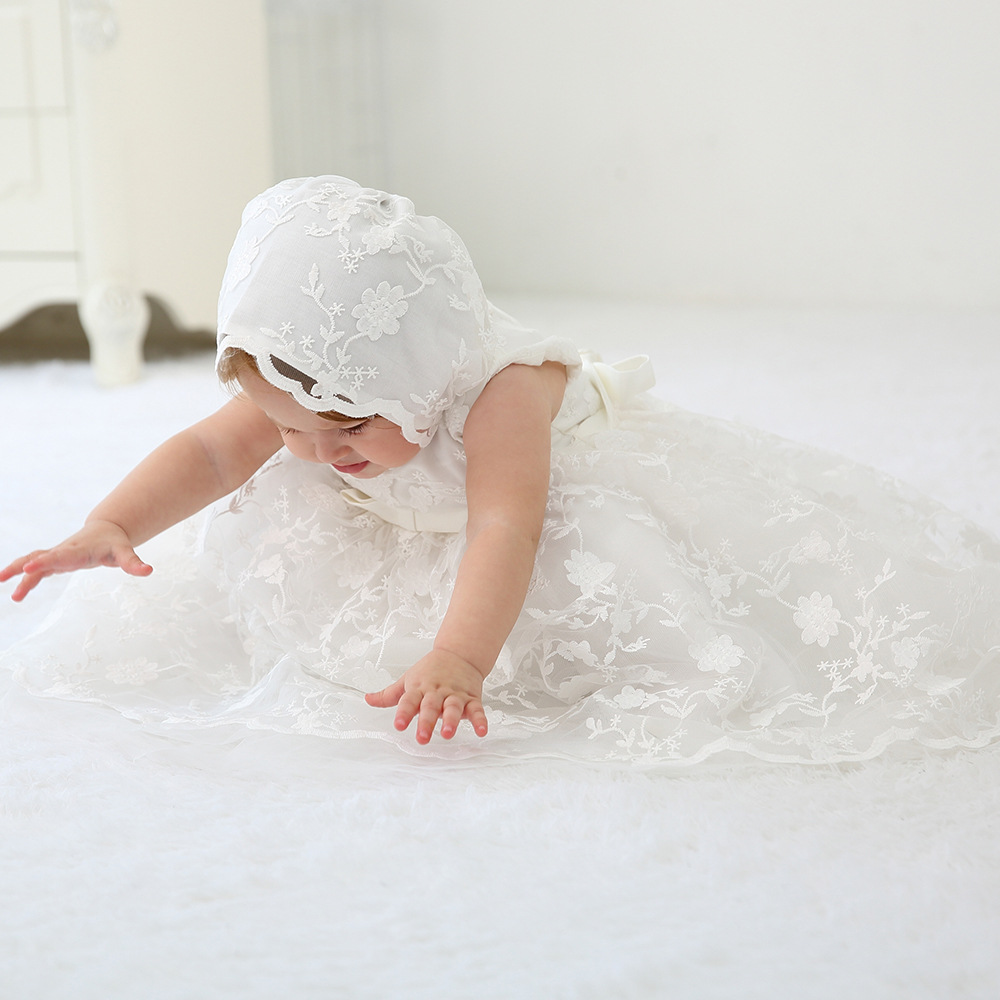
Some of the popular Baby Christening Gifts includes baby clothes, baby toys and baby blankets. You can find Baby Clothes such as baby sweaters, pyjamas, baby caps, baby booties, baby sleeping suits and lot more. You can also find designer baby clothes in attractive styles and patterns ranging from all in ones, baby shoes, sweater & hats, special occasions, dresses, t shirts, baby sleeping bags, and pyjamas.

Baby Blankets are unique baby christening gifts that are cherished by the new parents and are carried from one generation to another. You can also gift toys to new baby. Cute teddy bears and dolls are available in various sizes and price range. Babies love such attractive gifts and when they grow a little, they can even play with them.

If you are looking for unique baptism gifts, buy silver baby gifts. For instance, silver bracelet, silver bangle, silver comb and brush and silver birth certificate holder are some of the rare baby gift items. If you can’t afford such expensive bay gifts, you can buy baby gift basket. Baby gift basket consists of several practical things. It can include musical baby soft toys, soft baby blankets, cute baby hats and warm baby sleeping bags. Baby gift baskets can also include necessary items like changing pads, teething toys, pacifiers, baby wipes and baby night clothes.

Baby photo frames, baby albums and baby name print frames can also be given as new baby gifts. All these newborn gifts are personalised christening gifts that bring out your extreme love and concern for the baby.

Thus, there is a huge variety of christening gifts to choose from. Depending on your taste, requirement and budget, you can get the baby gift. One of the best places where you can find exclusive new baby gifts is The TrendyGowns Company. This U.K based company provides a range of exclusive, luxurious and affordable new baby gifts and toddler gifts such as baby clothes, baby shoes, baby toys, baby blankets, baby skin care products, baby sleep bags, mother skin care products and much more. They can wrap your selected baby gift, handwrite your personal message on a card and deliver it for you to your friends and family members.

Do Parents Still Pay for the Wedding? A Modern Look at Tradition and Reality

Weddings have long been steeped in tradition—from the white dress to the first dance. One of the most deeply rooted customs is the idea that parents, especially the bride’s, pay for the wedding. But in today’s world of evolving family dynamics, shifting financial expectations, and diverse cultural values, many people are asking: Do parents still pay for the wedding?

The answer? Yes—sometimes. But it’s no longer a one-size-fits-all rule.

The Traditional Expectation

Traditionally, especially in Western cultures, the bride’s family was expected to foot most (if not all) of the wedding bill. This originated from a time when marriage was a transfer of responsibility from the bride’s father to the groom, often involving a dowry. While the custom persisted for generations, it no longer reflects the realities of modern relationships.


What Happens Today

Today, who pays for the wedding depends on several factors: family culture, financial ability, personal values, and even geography. Here are the most common modern approaches:

1. Parents Pay Fully (Still Happens)

Some families still choose to cover the entire wedding cost, especially if they’ve been saving for it. In many cultures and communities, this is seen as a proud parental responsibility.

2. Couples and Parents Split the Cost

Many modern weddings are paid for through a combination of contributions from the couple and their parents. One or both sets of parents may offer a fixed amount or choose to fund specific parts of the wedding—like the rehearsal dinner, dress, or honeymoon.

3. Couples Pay for It Themselves

With more couples getting married later in life and becoming financially independent, it’s increasingly common for them to fund their weddings on their own. This often gives them more control over the size, style, and guest list.

4. Collaborative Family Efforts

In blended families or situations where both sides want to contribute equally, weddings can become a joint effort. Communication and fairness are key to navigating this gracefully.


Factors That Influence Who Pays

  • Financial Ability: Not every family is in a position to help. And that’s okay. Couples are more understanding today and are adjusting their expectations accordingly.
  • Family Structure: Divorce, remarriage, and stepfamilies often lead to multiple contributors—or more complicated conversations.
  • Cultural Expectations: In some cultures, the groom’s family traditionally pays, while in others, it’s the bride’s. But many are modernizing.
  • Couples’ Preferences: Some couples may prefer to pay for their own wedding to avoid expectations or maintain creative freedom.

Tips for Navigating Wedding Finances as a Family

  1. Have the Money Talk Early: Clear, upfront communication avoids misunderstandings later.
  2. Be Honest About What You Can Afford: Don’t go into debt to meet expectations.
  3. Respect Each Other’s Wishes: Whether you’re contributing or not, keep the focus on love, not money.
  4. Set Boundaries: If you’re paying, be clear about whether it comes with any conditions (e.g., number of guests, type of venue).

So—do parents still pay for the wedding? Sometimes, yes. But more often, it’s a shared effort between couples and families, based on communication, mutual respect, and financial reality.

The most important thing isn’t who writes the check—but how families come together to celebrate love, commitment, and a joyful new chapter. Whether you’re offering financial support or simply your heartfelt blessings, your presence and encouragement mean the most.

How to Tell Your Child How Much Money You’ll Contribute to Their Wedding

Planning a wedding is an exciting milestone, but it also comes with significant financial considerations. As a parent, you may want to support your child on their big day, yet setting expectations around money can be tricky. Knowing how to have this conversation with grace, clarity, and kindness can help avoid misunderstandings and ensure the process is joyful for everyone.

Here’s a guide on how to tell your child how much you’ll contribute to their wedding:

1. Talk Early, Before Planning Begins

Timing is everything. Have the financial conversation early—ideally, as soon as your child gets engaged. Don’t wait until deposits are made or vendors are booked. Letting your child know upfront what you’re willing or able to contribute helps them plan realistically and responsibly from the beginning.


2. Be Honest About Your Budget

Whether you can offer $2,000 or $20,000, be honest and transparent. You don’t need to justify your financial situation in detail, but it’s important to communicate clearly. You might say:

“We’re so excited for you and want to help. We’ve set aside $5,000 for your wedding. Use it however you think is best.”

This clarity empowers your child to make decisions confidently, knowing what resources are available.


3. Define the Terms (If Any)

Some parents choose to fund specific parts of the wedding (e.g., the venue, dress, or catering), while others prefer to offer a lump sum. Decide what feels right for your family, and communicate that gently. For example:

  • “We’d love to pay for the venue.”
  • “Here’s a gift of $10,000—spend it however you like.”
  • “We’ll match what your partner’s family contributes, up to $7,500.”

If your contribution has limits or conditions, it’s better to express them clearly rather than risk confusion later.


4. Involve Your Spouse or Co-Parent

If you’re divorced, remarried, or sharing financial responsibility with another parent or partner, coordinate the conversation. Presenting a united front (even if you’re not together) reduces the risk of mixed messages and makes it easier for your child to plan.


5. Be Respectful and Supportive

Money can be a sensitive subject. Your child may have a different vision for their wedding than you do—and that’s okay. Offering support with no strings attached shows respect for their independence. Frame your offer as a gesture of love, not control.


6. Keep the Conversation Ongoing

Weddings can evolve. Vendors change, guest lists grow, costs shift. Be open to ongoing communication, and let your child know they can come to you with updates or questions—but also be clear about any financial boundaries that can’t change.


7. Remember the Bigger Picture

At the heart of this discussion is your desire to celebrate a major life moment with your child. Focus on the joy of the occasion. Whether your gift is large or small, your presence, love, and guidance matter even more.

Do Parents Need to Give Their Child a Wedding Gift?

When a child gets married, it’s a significant milestone not just for the couple, but for the parents as well. With the flurry of planning, emotions, and celebrations, one common question often arises: Do parents need to give their child a wedding gift?

The short answer is: No, it’s not required — but it is deeply appreciated and often given. Let’s explore the expectations, traditions, and thoughtful options around this topic.

Tradition vs. Expectation

Traditionally, parents often contribute financially to the wedding itself, whether covering part of the expenses or hosting the event. In many families, this financial support is considered the primary “gift.” If parents are already paying for major aspects like the venue, dress, catering, or honeymoon, no additional gift is necessary.

However, in some families and cultures, parents may also choose to give a separate gift to mark the occasion in a more personal or sentimental way.

Factors to Consider

1. Your Role in the Wedding

If you’re contributing significantly to the planning or costs of the wedding, that already carries value. In this case, a smaller, meaningful gift may suffice — like a family heirloom, a handwritten letter, or a custom keepsake.

2. Your Budget

Weddings can be expensive, and it’s important not to feel pressured into overspending. Gifts should come from the heart, not from guilt or social expectations. A thoughtful gesture or a modest present is perfectly acceptable.

3. The Couple’s Needs

If the couple is just starting out, a practical gift — like help with a down payment, furniture, or a financial contribution — can be incredibly helpful. Other parents may choose something more symbolic, like a framed photo, jewelry, or a custom artwork.

Meaningful Gift Ideas from Parents

If you choose to give a gift, here are a few thoughtful options:

  • Family Heirlooms: Passing down a piece of family jewelry, a wedding dress, or a keepsake item can be deeply meaningful.
  • Personal Letters: A heartfelt letter expressing your hopes, blessings, and memories can become a cherished keepsake.
  • Custom Art or Keepsakes: Personalized gifts such as engraved frames, quilts, or handmade items can hold lifelong sentimental value.
  • Financial Contributions: A check, trust, or investment to help them begin their married life can be very helpful if you’re in a position to do so.
  • Experience Gifts: Consider gifting a special trip, weekend getaway, or memorable experience they can enjoy together.

Can You Tell Your Child That You Don’t Like Their Fiancé?

It’s a situation that many parents dread: your child brings home someone they’re head over heels in love with—and you feel something completely different. Whether it’s a gut feeling, a red flag you’ve picked up on, or just a personality clash, the big question arises: Should you tell your child that you don’t like their fiancé?

The answer isn’t simple, but here are a few key points to consider before speaking up.

1. First, Check Your Motives

Ask yourself why you don’t like their partner. Is it based on genuine concerns—like controlling behavior, dishonesty, or disrespect? Or are your feelings rooted in personal bias, unmet expectations, or differences in values or background?

Being honest with yourself is the first step toward deciding whether your opinion is something that should be shared—or quietly dealt with.


2. Timing Is Everything

If your child just started dating someone and you sense something’s off, there may still be time to gently share your concerns. But if they’re already engaged—or planning a wedding—your words will carry more weight and potentially hurt more deeply.

Speaking up at the wrong time could damage your relationship with your child or push them even closer to their partner in defense.


3. Approach with Curiosity, Not Judgment

If you decide to speak up, come from a place of love, not criticism. Instead of saying, “I don’t like your fiancé,” try something like:
“I’ve noticed a few things that concern me, and I want to share them because I love you and want the best for you.”

Ask questions. Listen more than you speak. Your goal isn’t to change their mind in one conversation—it’s to plant a seed of thought and open the door for ongoing, respectful dialogue.


4. Prepare for Resistance

Even if you present your concerns kindly, your child may become defensive or upset. That’s okay. This is their relationship, and they have the right to choose their own path—even if you think it’s the wrong one.

Be ready to listen, and respect their feelings. Reassure them that, no matter what, you’re there for them.


5. Focus on the Long Game

Relationships evolve, and so do people. The person your child is marrying today may not be the same person in five years—and the same goes for your feelings. Try to keep your heart open. Look for the good in their partner, even if it’s hard at first.

Building a relationship with their fiancé—even if it’s strained—can be more valuable in the long run than drawing a hard line that divides your family.


In the End…

Yes, you can tell your child you don’t like their fiancé—but it should be done with care, compassion, and a deep respect for their autonomy. Your role is to support, not control; to guide, not dictate. And sometimes, the most powerful expression of love is not in what you say, but in how you continue to show up—calm, steady, and always in their corner.